


Is a Multi-point Mortise Lock Body for Aluminum Swing Door the Best Security Upgrade for Modern Buildings
Aluminum swing doors are widely used in residential, commercial, and industrial buildings due to their durability and modern appearance. However, the security and stability of these doors depend heavily on the locking system installed. One of the most advanced solutions today is the Multi-point Mortise Lock Body for Aluminum Swing Door. This article explores how multi-point locking technology works, why it significantly improves security, how it compares to traditional locks, and what factors buyers should consider when choosing a high-quality lock system.
Through detailed explanations, practical comparisons, tables, and installation guidance, this guide will help architects, builders, and hardware distributors understand why multi-point mortise lock bodies have become a key component of modern aluminum door systems. We will also examine product advantages offered by professional manufacturers such as Kingbo, ensuring readers can make informed decisions when selecting door hardware solutions.
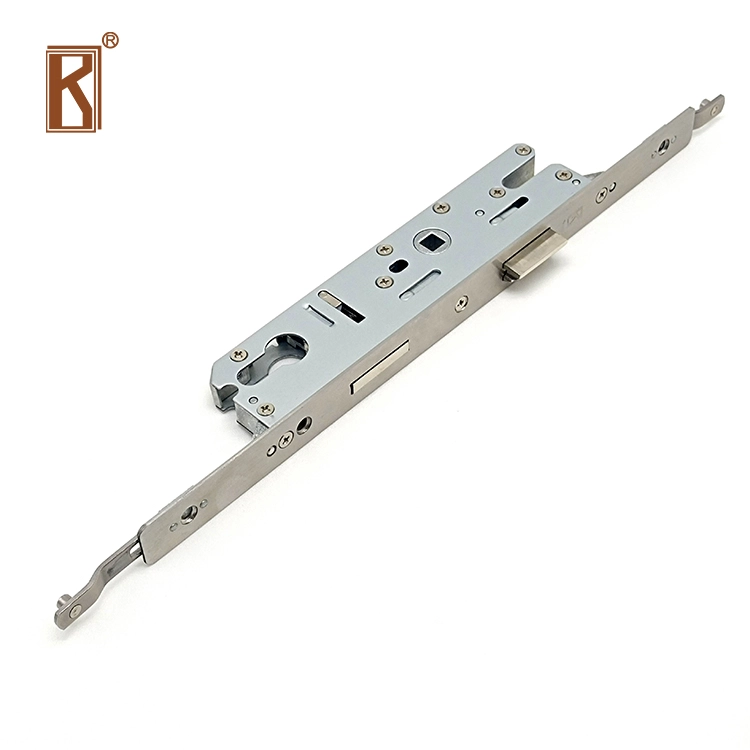
Table of Contents
- 1. What Is a Multi-point Mortise Lock Body for Aluminum Swing Door?
- 2. Why Multi-point Locking Systems Are Becoming the Industry Standard
- 3. Key Components of a Multi-point Mortise Lock Body
- 4. Multi-point Lock vs Traditional Single-point Lock
- 5. Benefits of Multi-point Mortise Locks for Aluminum Swing Doors
- 6. Typical Applications Across Different Industries
- 7. How to Install a Multi-point Mortise Lock Body
- 8. Buying Guide: Choosing the Right Lock System
- 9. Maintenance Tips for Long-term Performance
- 10. Frequently Asked Questions
1. What Is a Multi-point Mortise Lock Body for Aluminum Swing Door?
A Multi-point Mortise Lock Body for Aluminum Swing Door is a locking mechanism designed to secure a door at multiple points along the frame simultaneously. Unlike traditional locks that secure the door at only one point, multi-point systems engage several locking bolts or hooks along the vertical edge of the door.
The lock body is typically installed inside the door frame, also known as a mortise installation. When the handle or key is turned, several locking points engage at the same time, providing enhanced security and structural stability.
Main Characteristics
- Multiple locking points along the door
- Mortise installation within the door structure
- Improved door sealing and alignment
- Enhanced anti-pry protection
- Suitable for aluminum door systems
2. Why Multi-point Locking Systems Are Becoming the Industry Standard
Modern buildings require higher levels of safety, insulation, and structural reliability. Traditional single-point locks often fail to meet these requirements, especially in large aluminum swing doors. As a result, multi-point locking systems have become the preferred solution in architectural hardware design.
Manufacturers such as Kingbo have focused on producing advanced lock systems that combine durability with precision engineering.
Reasons for Industry Adoption
- Higher burglary resistance
- Better door compression and sealing
- Improved structural stability
- Reduced door warping over time
- Enhanced compatibility with modern aluminum frames
3. Key Components of a Multi-point Mortise Lock Body
A high-quality lock body consists of several integrated mechanical parts that work together to provide secure locking.
| Component | Function |
|---|---|
| Main Lock Body | Central mechanism controlling the entire locking system |
| Deadbolt | Primary locking bolt providing core security |
| Hook Bolts | Additional locking hooks engaging multiple frame points |
| Transmission Rod | Connects the central mechanism to upper and lower lock points |
| Strike Plate | Mounted on the door frame to receive lock bolts |
These components ensure the door locks securely across multiple sections of the frame simultaneously.
4. Multi-point Lock vs Traditional Single-point Lock
Understanding the difference between these locking systems helps buyers choose the best option for their door hardware needs.
| Feature | Multi-point Mortise Lock | Single-point Lock |
|---|---|---|
| Security Level | Very high | Moderate |
| Number of Locking Points | 3 or more | 1 |
| Door Stability | Excellent | Average |
| Anti-pry Protection | Strong | Limited |
| Door Sealing | Better compression | Less effective |
From the comparison above, it is clear that multi-point locks provide superior performance in both security and door stability.
5. Benefits of Multi-point Mortise Locks for Aluminum Swing Doors
1. Enhanced Security
Because the door locks at multiple locations, it becomes extremely difficult for intruders to force the door open. Each locking point distributes pressure evenly along the frame.
2. Improved Door Alignment
Multi-point locking systems pull the door tightly into the frame, maintaining alignment and reducing structural stress.
3. Better Weather Sealing
The compression created by several locking points improves insulation and prevents air leakage.
4. Increased Durability
High-quality lock bodies manufactured by companies like Kingbo are designed with durable materials that withstand frequent use in both residential and commercial environments.
5. Elegant Door Operation
Despite the complexity of the locking system, modern designs allow smooth operation with a single handle or key movement.
6. Typical Applications Across Different Industries
Multi-point mortise lock systems are widely used across various sectors due to their reliability and security advantages.
- Residential apartment entrances
- Office buildings
- Luxury villas
- Commercial storefront doors
- Hospital and school buildings
- Hotel room entrance doors
- High-security facilities
These locks are particularly effective for aluminum swing doors commonly found in modern architecture.
7. How to Install a Multi-point Mortise Lock Body
Proper installation is essential to ensure optimal lock performance.
Basic Installation Steps
- Measure the door thickness and frame dimensions.
- Create the mortise cavity inside the door panel.
- Insert the main lock body into the mortise slot.
- Install the upper and lower transmission rods.
- Attach the handle and cylinder components.
- Mount strike plates on the door frame.
- Test the locking system for smooth operation.
Professional installation ensures correct alignment of all locking points.
8. Buying Guide: Choosing the Right Lock System
Selecting a reliable lock body requires evaluating several technical and performance factors.
Important Buying Factors
- Material quality of the lock body
- Number of locking points
- Compatibility with aluminum door profiles
- Corrosion resistance
- Certification and security standards
- Manufacturer reputation
Working with established hardware manufacturers such as Kingbo ensures that customers receive products with reliable quality and long service life.
9. Maintenance Tips for Long-term Performance
Even the best locking systems require occasional maintenance to ensure smooth operation.
Recommended Maintenance Practices
- Lubricate the lock mechanism annually
- Check screw tightness regularly
- Clean dust and debris from the lock slots
- Inspect alignment of locking points
- Replace worn components if necessary
Routine maintenance can significantly extend the lifespan of the locking system.
10. Frequently Asked Questions
1. Are multi-point locks more secure than traditional locks?
Yes. Because the door is secured at multiple locations, forced entry becomes much more difficult compared to single-point locks.
2. Can multi-point mortise locks be used on all aluminum doors?
Most aluminum swing doors are compatible, but the lock must match the door profile and thickness.
3. How many locking points are typical?
Most systems feature three locking points, though high-security versions may include five or more.
4. Do multi-point locks require special handles?
Yes. The handle mechanism is typically designed to activate all locking points simultaneously.
5. Are multi-point locks difficult to install?
Installation requires precise alignment, so professional installation is recommended for best results.
Conclusion
The Multi-point Mortise Lock Body for Aluminum Swing Door represents a significant advancement in modern door security and structural stability. By securing the door at multiple points along the frame, these locking systems provide superior protection, better insulation, and improved door performance compared to traditional locks.
With increasing demand for secure and energy-efficient buildings, multi-point lock technology has become a key component of modern architectural hardware systems. Manufacturers like Kingbo continue to innovate in lock design, offering durable and reliable solutions suitable for residential, commercial, and industrial applications.
If you are looking for high-quality aluminum door locking solutions or want to learn more about advanced door hardware systems, contact us today to explore professional products and expert support.