


How Does the Electroplating Process Elevate the Performance of Brass Lock Cylinders
Article Summary: In modern architectural hardware, lock components must offer both superior performance and aesthetic appeal. This comprehensive article explores how the electroplating process enhances brass lock cylinders in terms of durability, corrosion resistance, security, design versatility, and long‑term value. It also covers practical selection tips, compares electroplated finishes, and answers common buyer questions.
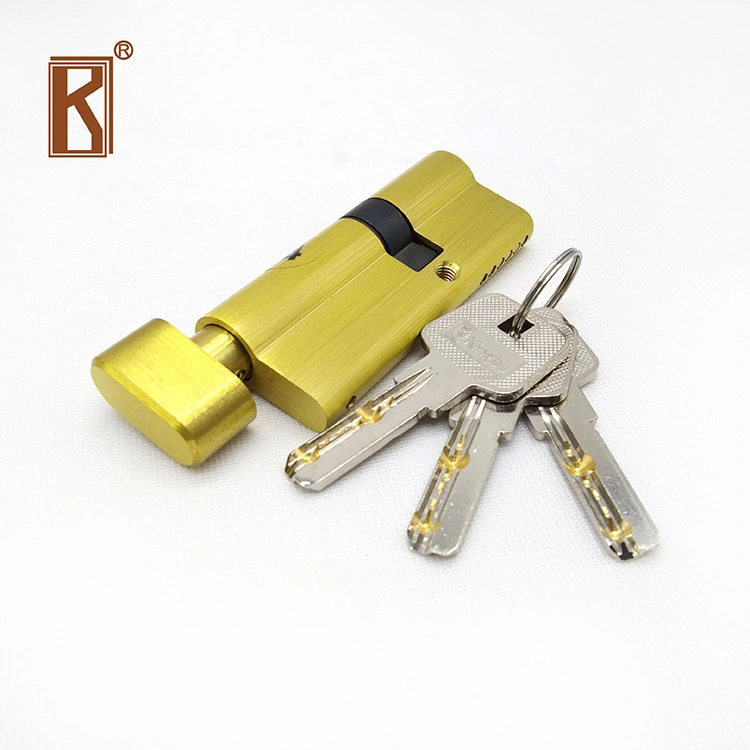
Table of Contents
- What Is a Brass Lock Cylinder?
- What Is Electroplating and Why Does It Matter?
- Top Benefits of Electoplating Brass Lock Cylinders
- Comparing Common Surface Finishes
- Typical Applications of High‑End Electroplated Lock Cylinders
- Key Specifications of a High‑End Electroplated Brass Lock Cylinder
- FAQs About Brass Electroplated Lock Cylinders
- Final Thoughts
What Is a Brass Lock Cylinder?
A brass lock cylinder is the heart of most modern mechanical locking systems. It houses the pins and keyway that interact with the key to lock and unlock a door. Brass is commonly used due to its dependable mechanical properties, resistance to corrosion, and ease of precision machining—qualities that ensure smooth operation and reliable security over time.
Compared with alternatives like basic zinc alloys, brass cylinders are known to:
- Withstand wear and environmental corrosion
- Offer reliable mechanical performance
- Deliver long lifespan under repetitive use
What Is Electroplating and Why Does It Matter?
Electroplating is a surface finishing process that deposits a thin metal layer onto the surface of another metal using electrical currents. For lock cylinders, electroplating typically applies materials such as chrome, nickel, or copper to the brass base. This enhances both performance and appearance.
When done correctly, electroplating provides:
- Increased resistance to corrosion and surface wear
- Uniform finish that improves visual appeal
- Protective barrier against environmental exposure
However, poor electroplating can cause surface issues like peeling or blistering if pretreatment and process control are inadequate.
Top Benefits of Electoplating Brass Lock Cylinders
1. Enhanced Corrosion Resistance
Electroplated surfaces form an additional protective layer, which significantly reduces oxidation and environmental corrosion—especially in humid or coastal climates. Brass naturally resists corrosion, but plating boosts this resistance further.
2. Superior Aesthetics with Color Options
Colorful finishes such as polished chrome, brushed copper, or black electroplated surfaces give lock cylinders premium looks that match modern design trends. Such finishes enhance architectural appeal without sacrificing function.
3. Improved Surface Hardness
Electroplated layers are often harder than bare brass, offering better resistance to scratches and mechanical wear over long‑term use.
4. Better Security and Longevity
With smoother, wear‑resistant surfaces and precision plating, lock cylinders experience less internal friction, reducing wear on keys and pins, which contributes to longer operational life.
Comparing Common Surface Finishes
| Finish Type | Corrosion Resistance | Aesthetic Appeal | Typical Use Case |
|---|---|---|---|
| Chrome Electroplating | High | Modern & Reflective | Commercial, Residential Entry Doors |
| Nickel Electroplating | High | Matte/Satin Look | Prestige Homes & Interiors |
| Black Electroplating | Medium | Contemporary & Bold | Office & Boutique Spaces |
Typical Applications of High‑End Electroplated Lock Cylinders
Due to the combination of performance and design, high‑end electroplated brass lock cylinders are ideal for:
- Residential front entry doors
- High‑end apartments and condominiums
- Commercial offices with aesthetic requirements
- Hotel suites and shared‑space access systems
Kingbo’s High‑end Brass Lock Cylinder with Colorful Electroplating Surface model exemplifies these features with rigorous testing for reliability and optional custom finishes to suit diverse door hardware designs.
Key Specifications of a High‑End Electroplated Brass Lock Cylinder
| Model | Custom Sizes Available |
| Material | High‑quality Brass |
| Surface Treatment | Colorful Electroplating |
| Features | Auto‑Return, Centralized Keying Support |
| Use Cases | Residential & Commercial Doors |
| Customization | Finish & Size Options |
FAQs About Brass Electroplated Lock Cylinders
- Q: Is electroplated brass better than plain brass?
- A: Electroplating enhances corrosion resistance, surface hardness, and aesthetics without compromising brass’s core mechanical strengths.
- Q: What finishes are available for brass lock cylinders?
- A: Common finishes include polished chrome, satin nickel, brushed copper, and black electroplated surfaces that match different design needs.
- Q: How do I choose the right lock cylinder for my door?
- A: Consider environmental exposure, design style, and security requirements. Premium electroplated brass cylinders often deliver the best balance of performance and appearance.
Final Thoughts
In summary, electroplating significantly elevates the performance and visual appeal of brass lock cylinders. Whether for residential front doors, commercial spaces, or high‑end architectural designs, electroplated finishes provide lasting durability and style. For dependable quality and customization, consider advanced models like the High‑end Brass Lock Cylinder with Colorful Electroplating Surface from Kingbo.
Ready to elevate your door hardware with premium electroplated brass lock cylinders? Contact us today to discuss customization and pricing!