


Why Does Casement Window Hardware Matter More Than Most Buyers Expect?
Summary
Choosing the right Casement Window Hardware is not only about opening and closing a window. It directly affects daily comfort, safety, airtightness, operating smoothness, corrosion resistance, and long-term maintenance cost. Many buyers focus on frame profiles and glass first, then realize too late that poor hardware creates sagging sashes, difficult handles, unstable opening angles, weak locking, and early replacement expenses. This article explains the most common customer pain points, shows what really matters when selecting components, and outlines how a well-matched system can improve performance in residential, commercial, and project applications.
Contents
- Article Outline
- What Problems Are Buyers Trying to Avoid?
- Which Parts Make Up a Reliable Casement Window System?
- How Should Buyers Choose the Right Hardware?
- What Happens When Hardware Quality Is Poor?
- Why Does Hardware Influence Project Value?
- What Should You Expect From a Professional Supplier?
- Frequently Asked Questions
- How Can You Move Forward With Confidence?
Outline
- Customer pain points behind window hardware selection
- Main components inside Casement Window Hardware
- Practical selection standards for different projects
- A comparison between dependable and low-grade solutions
- The role of hardware in safety, usability, and lifecycle cost
- How to identify a supplier worth trusting
- FAQ for sourcing, matching, and maintenance
What Problems Are Buyers Trying to Avoid?
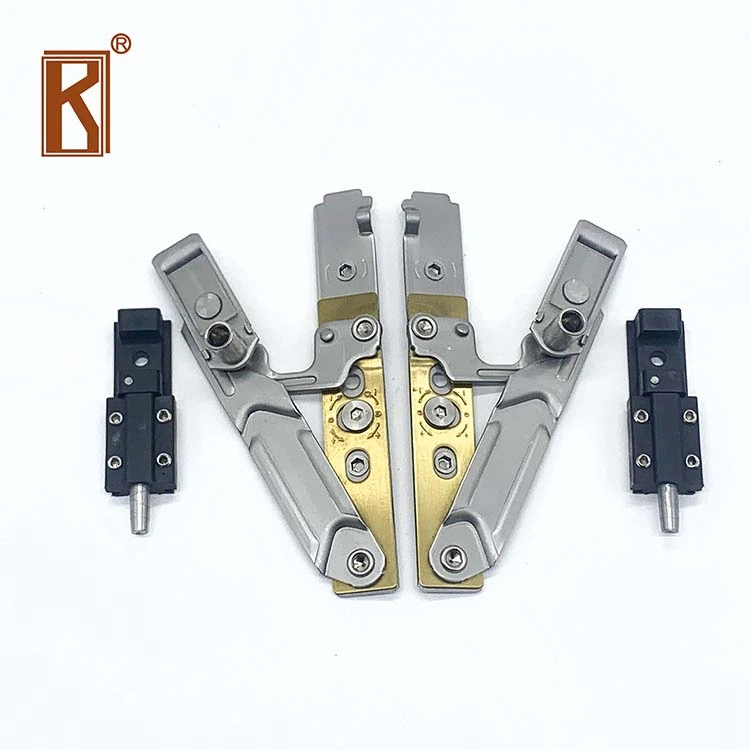
When customers search for Casement Window Hardware, they are usually trying to solve a very practical problem. A window may look attractive on the surface, yet still feel disappointing in daily use. Some users deal with handles that loosen after repeated operation. Others discover that the sash no longer closes tightly, which leads to air leakage, water penetration, outside noise, or a security concern. In project supply, these issues quickly become claims, callbacks, and reputation damage.
Another common pain point is mismatch. Buyers may choose a beautiful window design without realizing that sash size, opening direction, installation position, and load requirements all affect hardware compatibility. The result is an unstable opening movement, poor sealing pressure, or friction stays that wear out too early. For contractors, developers, and fabricators, that kind of mismatch can delay installation and increase labor cost.
There is also the issue of environment. Coastal areas, humid climates, and pollution-heavy urban zones place higher demands on surface treatment and corrosion resistance. Hardware that performs acceptably in one environment may deteriorate much faster in another. That is why experienced buyers no longer treat Casement Window Hardware as a minor accessory. They see it as a structural decision that influences the full user experience.
Typical buyer concerns include
- Windows becoming hard to open or close after a short period
- Handles, lock cases, or transmission parts wearing out too quickly
- Weak safety performance in homes, schools, hotels, or public buildings
- Corrosion in humid, rainy, or coastal conditions
- Higher maintenance cost caused by frequent replacement
Which Parts Make Up a Reliable Casement Window System?
A complete Casement Window Hardware solution is made of several coordinated components rather than a single item. Each part plays a role in operation, positioning, locking, and long-term stability. If one component is weak, the whole system feels unreliable.
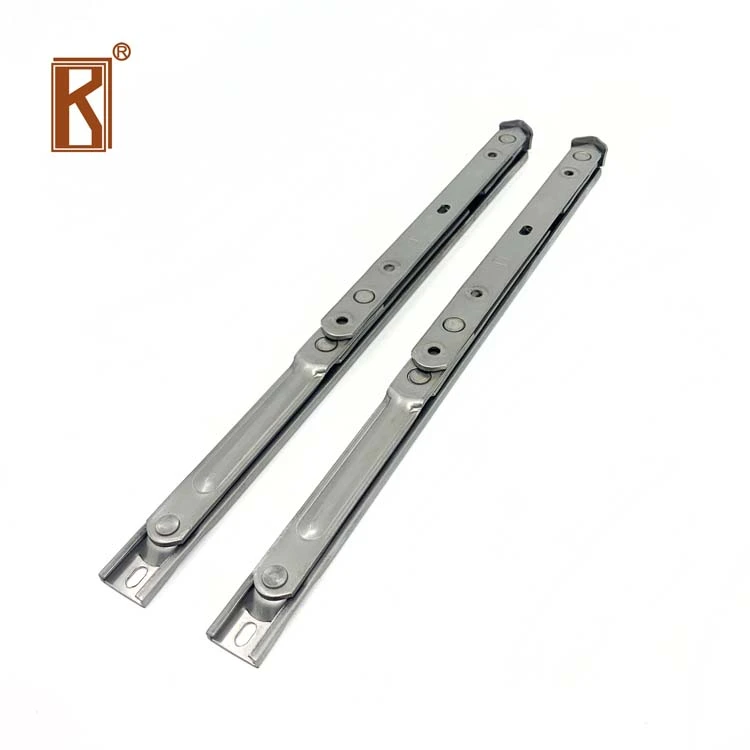
Handles are the most visible touchpoint. They affect grip comfort, locking feel, and user perception of quality. Friction stays support the sash, guide movement, and help control opening angles. Transmission rods and internal linkage parts distribute motion between handle and locking points. Lock cases and related security components determine how firmly the window closes and how consistently it remains secure over time.
The real value is not in isolated parts, but in how those parts work together. A well-designed system should offer smooth motion, stable support, secure locking, and balanced force transfer. That balance reduces wear, improves sealing, and supports repeatable daily use across thousands of cycles.
| Component | Main Function | Why It Matters |
|---|---|---|
| Handle | Controls opening, closing, and locking action | Influences comfort, usability, and customer perception |
| Friction Stay | Supports sash weight and guides opening movement | Helps prevent sagging, instability, and unsafe movement |
| Transmission Rod | Transfers operating force through the window system | Improves coordination between handle and locking points |
| Lock Case | Creates secure multi-point or central locking action | Strengthens sealing pressure and security performance |
| Limiter or Restrictor | Controls maximum opening range | Supports ventilation safety, especially in family and public settings |
How Should Buyers Choose the Right Hardware?
The best buying decision starts with application, not price alone. Before selecting Casement Window Hardware, buyers should confirm sash size, opening type, load conditions, installation environment, and user expectations. Hardware for a high-frequency commercial building should not be judged by the same standard as hardware for a low-use residential room.
Material choice is one of the first checkpoints. Stainless steel and well-engineered alloys are often preferred where strength and corrosion resistance matter. Surface treatment quality also matters because it affects appearance retention and environmental durability. A hardware set that looks good on day one but quickly loses finish under outdoor exposure will damage the value of the entire window system.
Load-bearing capacity should be matched realistically to the sash. Oversized or heavier sashes require stronger support structures and more dependable linkage performance. Buyers should also look closely at opening smoothness, locking consistency, and service life under repeated operation. A lower upfront price can become expensive if the hardware creates rework, warranty issues, or customer complaints.
- Check whether the hardware matches window size, sash weight, and opening direction
- Evaluate material strength and corrosion resistance for the target market
- Confirm stable locking and smooth repeated operation
- Consider child safety, ventilation control, and security requirements
- Ask whether spare parts, technical support, and specification guidance are available
What Happens When Hardware Quality Is Poor?
Low-grade Casement Window Hardware usually reveals its problems in stages. At first, the handle may feel rough, loose, or inconsistent. Then the sash begins to lose alignment, making it harder to close properly. Over time, poor locking pressure can reduce weather performance, while internal wear creates noise, drag, and reliability issues. In many cases, users blame the whole window, even though the frame and glass are not the real cause.
For fabricators and project buyers, poor-quality hardware creates even bigger risks. Installation teams may spend extra time adjusting parts that were never properly matched. After delivery, maintenance teams may face frequent service calls. In high-volume projects, these small failures accumulate into a serious cost burden.
| Selection Factor | Reliable Solution | Poor-Quality Result |
|---|---|---|
| Operation Feel | Smooth, balanced, repeatable action | Rough movement, sticking, or unstable control |
| Structural Support | Stable sash positioning over time | Sagging, misalignment, or loose opening behavior |
| Safety and Locking | Consistent locking and sealing pressure | Weak closure, security concerns, air leakage |
| Durability | Longer service life with lower intervention | Frequent wear, replacement, and complaints |
| Total Cost | Better long-term value | Low initial price but higher lifecycle expense |
Why Does Hardware Influence Project Value?
Window hardware is one of those details that quietly determines whether a project feels premium or problematic. End users notice the difference immediately. A stable, smooth, and quiet window gives a sense of quality every day. A window that drags, shakes, or refuses to lock properly makes the whole building feel cheaper than it is.
This is why many buyers now treat Casement Window Hardware as part of the project’s long-term value strategy. Better hardware helps improve user satisfaction, reduce service headaches, and support stronger performance in weather resistance and security. In competitive markets, details like these influence repeat business and brand trust more than people expect.
For residential developers, that means fewer post-handover complaints. For window manufacturers, it means more stable production results and stronger confidence when promoting product quality. For distributors, it means a more dependable offering that can serve different market segments without constant after-sales friction.
What Should You Expect From a Professional Supplier?
A professional supplier should do more than ship parts. Buyers need product clarity, consistent quality, and realistic matching support. When choosing a source for Casement Window Hardware, it is worth asking whether the supplier understands practical use scenarios rather than only catalog presentation.
Foshan Kingbo Door And Window System Co., Ltd. is a name buyers may recognize when looking for casement window system solutions. What serious buyers usually want from a supplier like this is clear product segmentation, dependable manufacturing standards, and components that can be used across residential, office, and commercial applications with confidence. That means helpful communication on selection, realistic specification support, and a product range that addresses different operational and security needs.
Strong suppliers also understand that one project may need different combinations, not a one-size-fits-all answer. Some applications prioritize smooth everyday operation. Others focus on higher load capacity, restricted opening, or enhanced corrosion resistance. The supplier’s job is to help match the right solution to the real use case, not simply push the cheapest available option.
- Clear product categories and consistent technical logic
- Stable quality control across batches
- Guidance for matching components to sash and application requirements
- Responsive communication before and after purchase
- Solutions suited to residential, commercial, and custom projects
Frequently Asked Questions
1. How long should good casement window hardware last?
Service life depends on design, material, environment, and usage frequency. A well-matched system with proper installation and maintenance should remain stable for years, while poor-quality parts may begin showing problems much earlier.
2. Is stainless steel always the best choice?
Not automatically. Stainless steel is often preferred for durability and corrosion resistance, but the right choice still depends on sash design, load requirements, and installation environment. The best solution is the one that fits the actual application.
3. Why does my window feel hard to close even though the frame looks fine?
This often points to hardware mismatch, wear, poor alignment, or insufficient support performance. The issue may come from friction stays, linkage parts, or locking components rather than the frame itself.
4. Can better hardware really reduce maintenance cost?
Yes. More dependable components help reduce sagging, repeated adjustments, premature wear, and replacement frequency. That lowers both direct service cost and hidden customer dissatisfaction.
5. What should I prepare before asking for a quotation?
It helps to provide window type, opening direction, sash size, approximate weight, project application, and any requirements for corrosion resistance, security, or restricted opening. The more accurate the information, the better the matching result.
How Can You Move Forward With Confidence?
If you want windows that feel secure, operate smoothly, and continue performing well over time, do not treat hardware as an afterthought. The right Casement Window Hardware helps protect your investment, reduce maintenance pressure, and improve the real value users experience every day. Whether you are sourcing for residential production, commercial construction, or custom project requirements, careful selection now will save time and cost later.
When you are ready to compare options, clarify technical needs, or find a more dependable solution for your next order, it is worth speaking with a supplier that understands complete window system performance rather than just individual parts.
Need a more dependable solution for your next project?
Talk to the team at Foshan Kingbo Door And Window System Co., Ltd. to explore practical product options, matching guidance, and reliable support for your window hardware requirements. Contact us today and let’s find the right solution for your market, budget, and application goals.