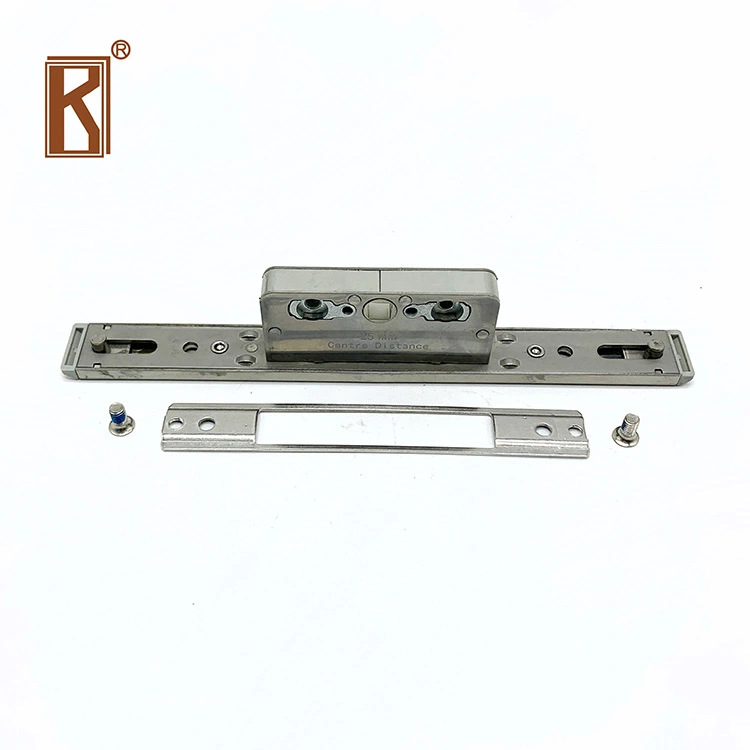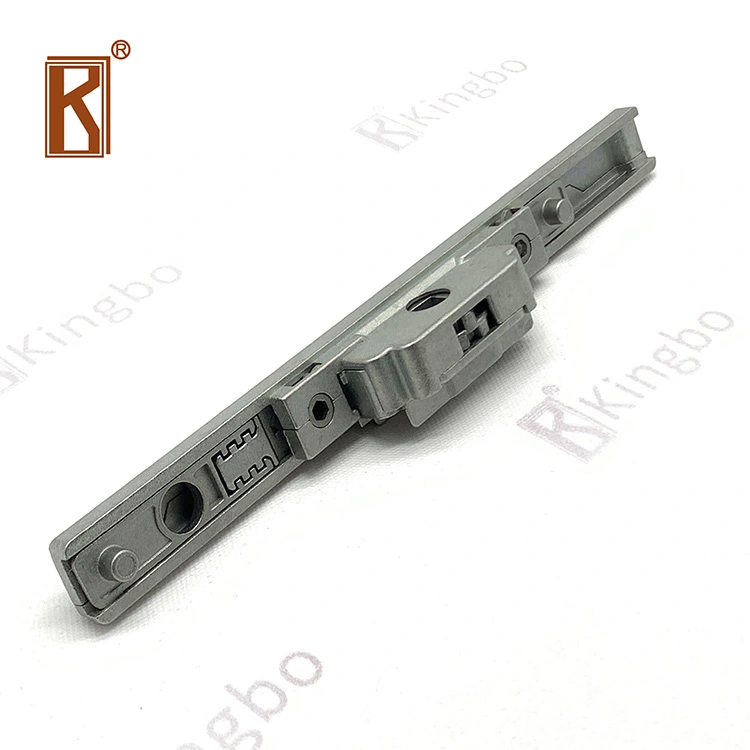


Home > Products > Casement Window Hardware > Casement Window Transmitter > Opposite-Direction Linkage Zinc Alloy Window Lock Case
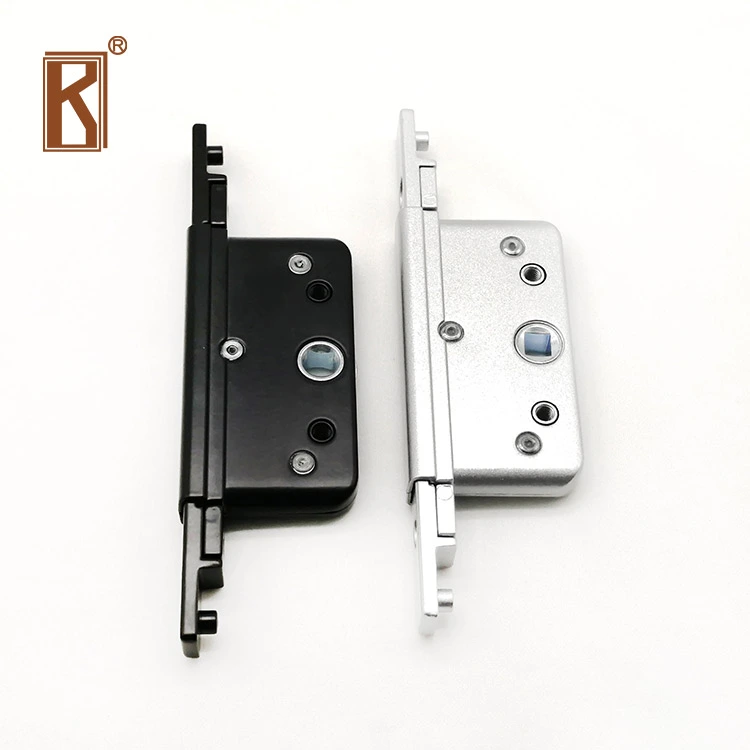
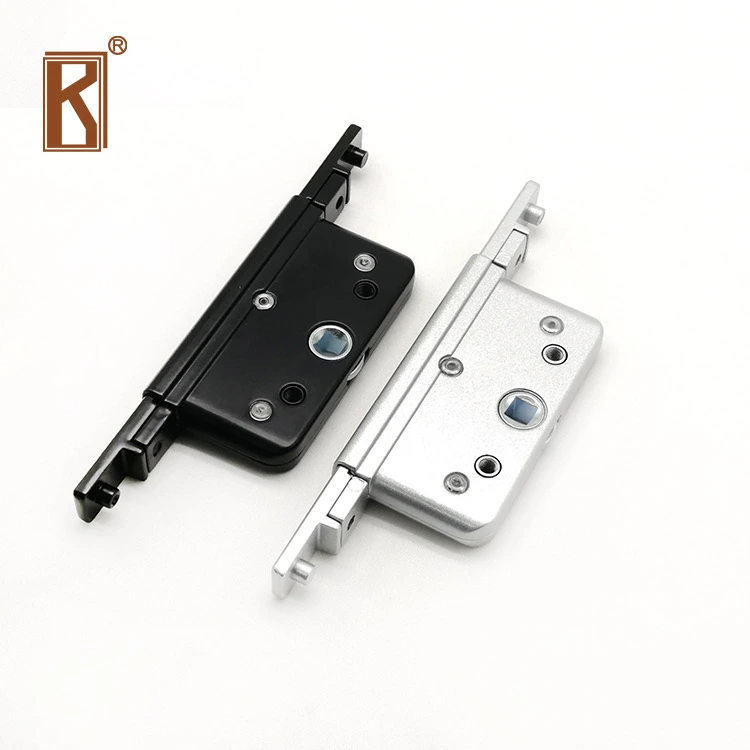
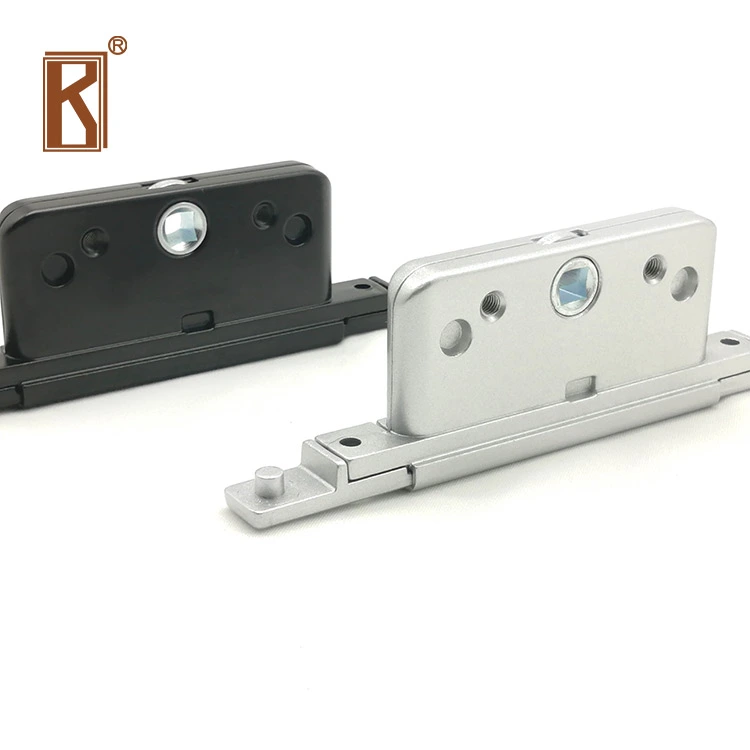
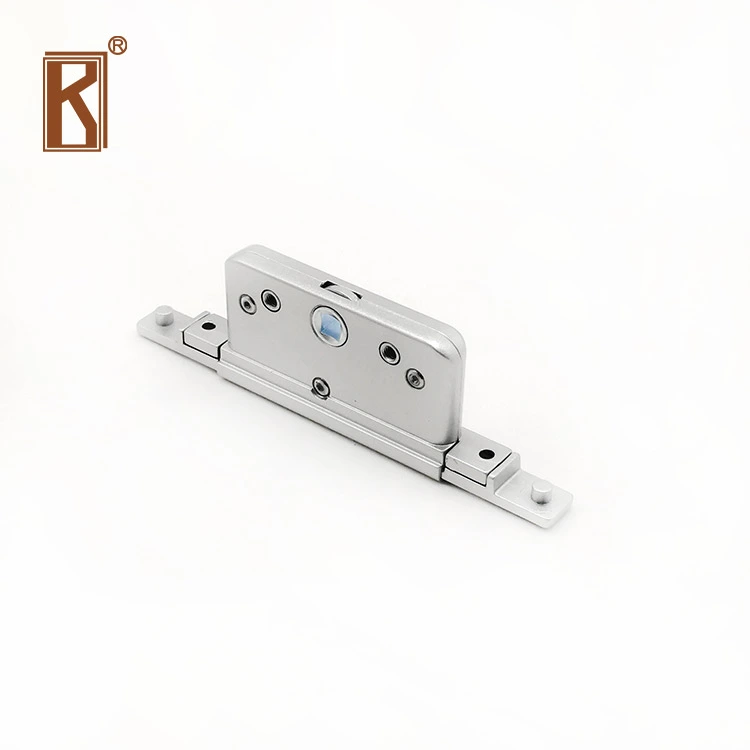
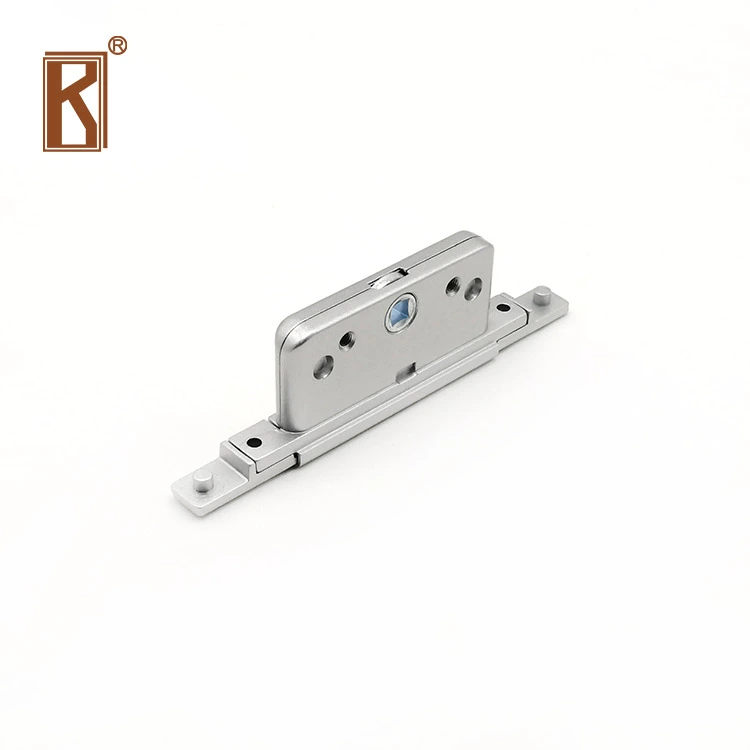
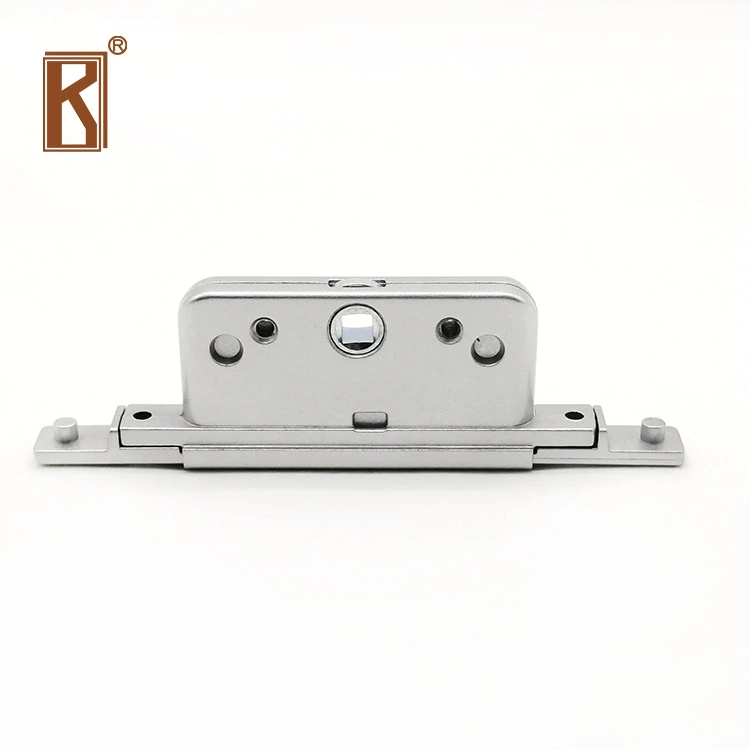
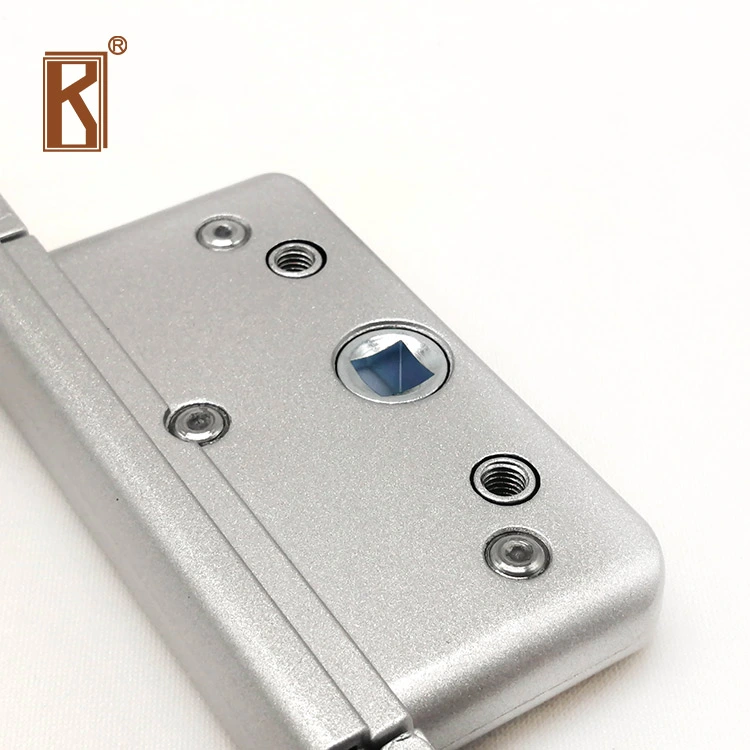
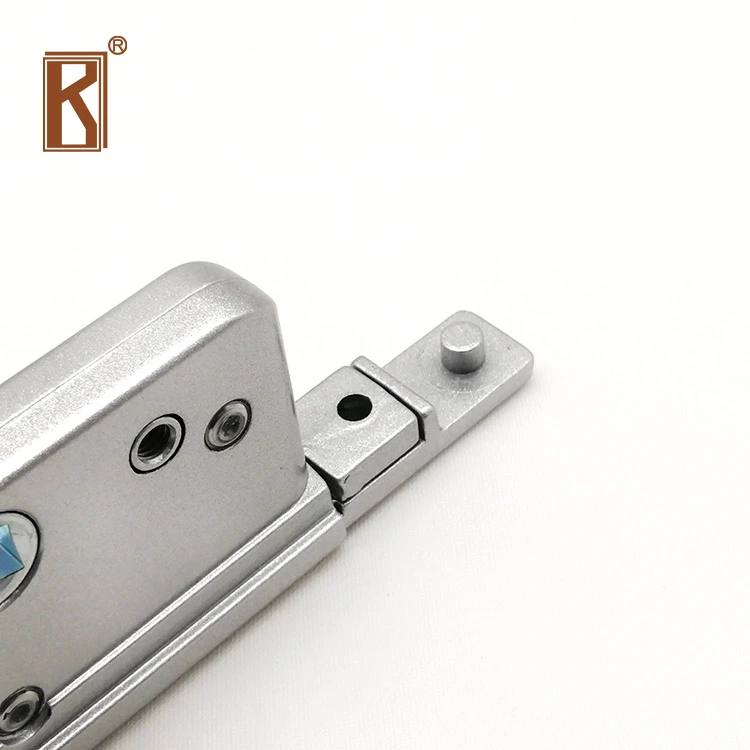
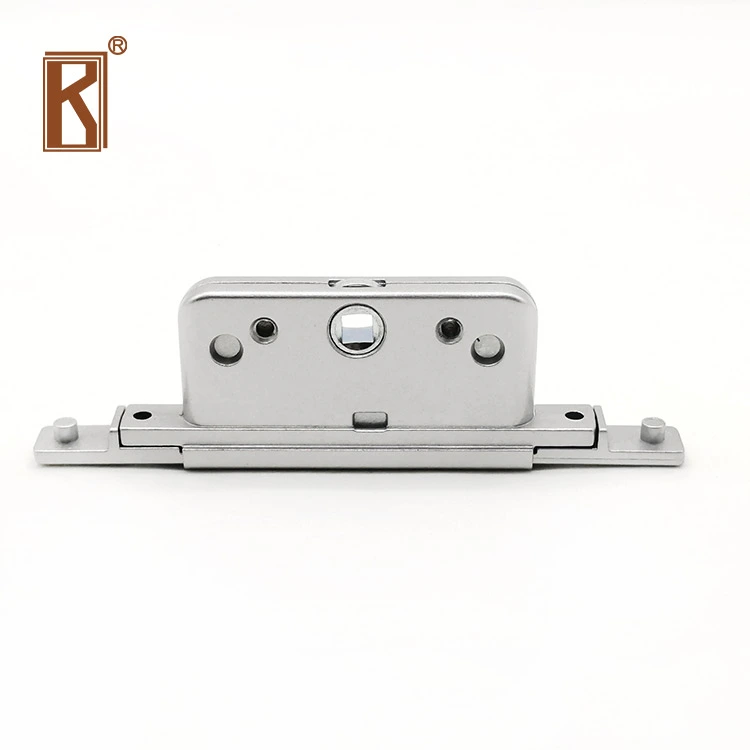
Opposite-Direction Linkage Zinc Alloy Window Lock Case
China manufacturer KINGBO Opposite-Direction Linkage Zinc Alloy Window Lock Case supplier quality delivers high-security, durable multi-point locking solution with superior anti-pry strength and long service life. It ensures synchronized bolt movement, balanced force distribution, and enhanced wind pressure resistance. Precision zinc alloy structure with reinforced linkage improves stability, reduces deformation risk, and maintains smooth operation after 50,000 cycles, ideal for demanding architectural window systems.
Model:LC-25A
Send Inquiry
Product Description
China factory KINGBO quality supplier Opposite-Direction Linkage Zinc Alloy Window Lock Case provides advanced structural stability and long-lasting performance. Using precision zinc alloy die-casting and carbon steel linkage, this product delivers synchronized multi-point locking, improved anti-pry resistance, and balanced force distribution.It also ensures smooth operation, adjustable installation for various profile systems, and resistance to coastal, cold, or high-humidity conditions, making it ideal for durable, secure window solutions.
Structural Safety & System Integration Solution
The Opposite-Direction Linkage Zinc Alloy Window Lock Case is developed for window systems that require coordinated multi-point locking, stable mechanical transmission, and long-term structural reliability. Instead of focusing only on single locking strength, this design emphasizes system-level balance between handle operation, linkage movement, and frame sealing pressure.
It is widely used in modern aluminum casement window projects where consistent performance, installation flexibility, and durability are required under repeated daily operation.
Product Features
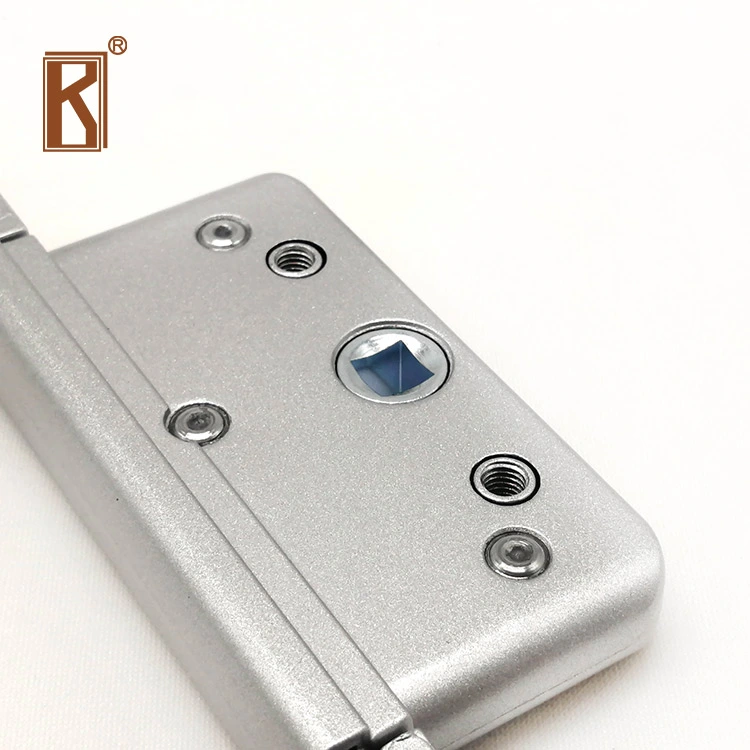
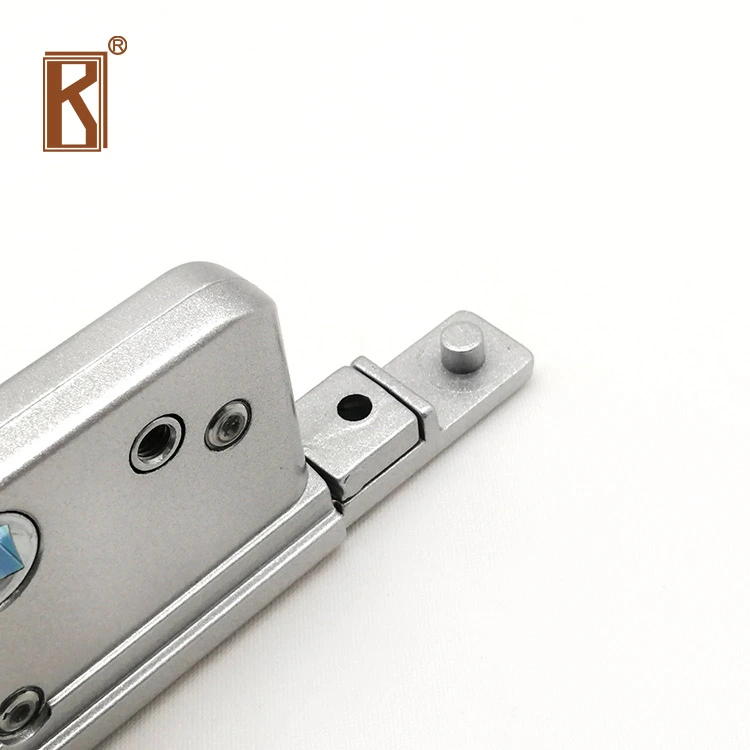
The opposite-direction linkage zinc alloy window lock case features an innovative dual-direction transmission mechanism, which is its most distinctive advantage. When the handle is turned, the internal gears drive the upper and lower lock bolts to extend synchronously, forming multi-point locking with the window frame (usually 2-4 lock points). This design evenly distributes the locking force around the sash, effectively resisting wind pressure deformation and preventing prying from the edge gaps, greatly enhancing the overall anti-theft level of casement windows.
In terms of system compatibility, it is specially optimized for mainstream casement window systems, such as 55 series, 70 series, and 80 series profiles. The linkage rod length can be adjusted within 5-15mm according to the window height, and the lock bolt stroke is designed to match standard sealing strips, ensuring tight fit without affecting the window's opening-closing flexibility. This reduces the need for custom mold development and lowers procurement costs for construction projects.
Safety details are also carefully considered: the lock case is equipped with a anti-force release device. When subjected to abnormal prying, the linkage system will automatically lock the lock bolts, preventing forced separation of the sash and frame; the internal keyhole is hidden under a rotating cover, which not only prevents dust and water from entering but also avoids accidental damage to the lock cylinder during daily use. The surface is treated with anti-slip texture, making it easier for installers to grip during debugging.
Product Parameters
| Opposite-Direction Linkage Zinc Alloy Window Lock Case | |
| Product name | Lock Case |
| Code number | LC-25A |
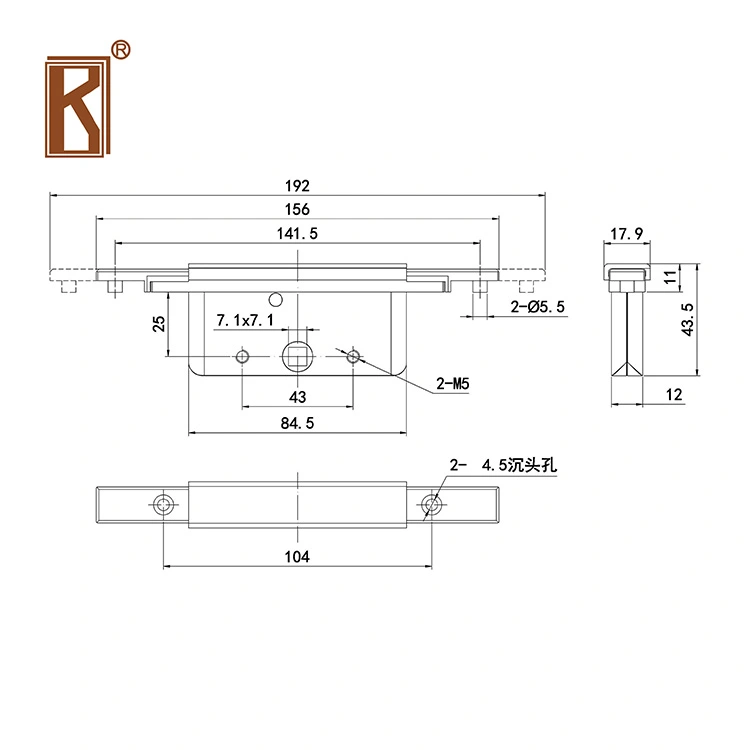
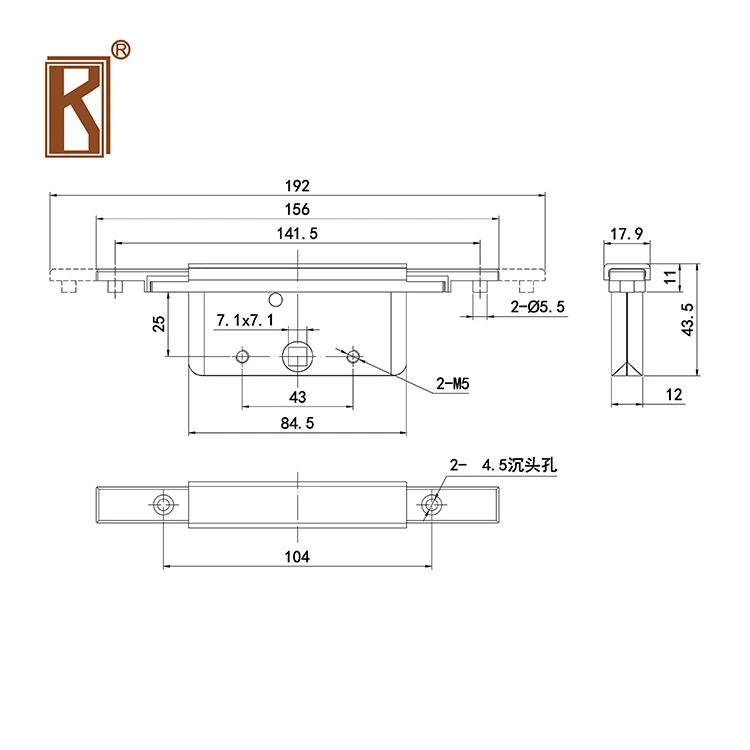
| Size | As drawing or customized |
| Material | Zinc Alloy |
| Surface treatment | Powder coating |
| Other details | Opposite-direction linkage, multi-point locking |
| Advantages/features | High anti-theft performance; |
| precise linkage control; | |
| global long-term clients; | |
| customized profile matching; | |
| Customized as per client's idea & aluminum section | |
| High dimensional stability for complex shapes & thin walls | |
| Fast delivery | |
| Certificates | Patents; SGS; CE |
| Packing detail | 1 pcs/poly bag; 2 sets/inner box; 10 boxes/carton |
| Lead time | Within 15 days |
| Special Service | Free OEM design |
| Logo design and print | |
System-Level Engineering Thinking
Coordinated Movement Instead of Single Locking Force
Traditional lock cases often rely on a single bolt action. This product uses a synchronized opposite-direction movement system to distribute force evenly across multiple points.
When activated, the internal mechanism drives upper and lower locking bolts in opposite directions at the same time, forming a balanced locking structure that improves frame stability.
The Opposite-Direction Linkage Zinc Alloy Window Lock Case is designed to reduce localized stress and improve overall window frame integrity.
Structural Safety Performance Perspective
Multi-Point Stress Distribution Design
The locking system forms multiple engagement points along the sash frame. This structure helps:
· Reduce deformation under wind pressure
· Improve anti-pry resistance at edge gaps
· Maintain stable sealing pressure over time
· Prevent uneven wear on window profiles
This approach is particularly effective for high-rise buildings and exposed architectural environments.
Anti-Interference Internal Mechanism
The internal gear system is enclosed and protected from external dust and debris. This reduces operational failures caused by environmental contamination and improves long-term reliability.
Material Strength & Mechanical Stability
High-Strength Zinc Alloy Housing
The main structure is manufactured using precision die-cast zinc alloy, ensuring:
· Stable dimensional control during mass production
· High resistance to mechanical impact
· Improved structural rigidity under load
Reinforced Transmission Components
Carbon steel linkage elements are integrated into the system to ensure:
· Smooth torque transfer
· Reduced wear during long-cycle operation
· Stable synchronization between locking points
Protective Surface Engineering
The outer surface undergoes multi-layer treatment to enhance durability:
· Corrosion resistance for outdoor exposure
· Scratch resistance during installation
· Long-term coating stability in humid or coastal climates
Compatibility With Modern Window Systems
Designed for Standard Profile Architecture
This locking system is compatible with widely used aluminum window profile series. It supports integration without requiring major structural modifications.
Flexible Installation Adjustment
The linkage system allows controlled adjustment to match different window heights and installation conditions. This reduces dependency on custom tooling and improves installation efficiency on-site.
The Opposite-Direction Linkage Zinc Alloy Window Lock Case is suitable for both standardized production and customized engineering projects.
Operational Behavior & User Interaction Angle
Smooth Mechanical Feedback
The internal gear structure is optimized to provide stable torque transmission, ensuring:
· Smooth handle rotation
· Predictable locking response
· Reduced mechanical resistance during operation
Balanced Opening and Closing Experience
Because locking force is distributed across multiple points, the window maintains smoother operation with reduced frame stress during repeated daily use.
Durability & Lifecycle Engineering
Extended Service Life Design
Compared with conventional iron-based lock cases, this system is engineered for longer operational life through:
· Reinforced internal structure
· Wear-resistant transmission materials
· Controlled friction surface design
50,000-Cycle Performance Validation
The system has been tested under repeated locking and unlocking cycles to ensure consistent mechanical response over long-term use without loss of alignment accuracy.
Environmental Resistance Capability
The Opposite-Direction Linkage Zinc Alloy Window Lock Case maintains stable performance in multiple environmental conditions:
· High humidity coastal zones
· Low-temperature regions with thermal contraction
· Dust-heavy construction environments
· Long-term outdoor exposure applications
This makes it suitable for diverse architectural climates without frequent maintenance intervention.
Installation System Perspective
Installation Simplicity Design
The structure is designed to reduce complexity during installation:
· Pre-aligned internal transmission structure
· Adjustable linkage rod for height compensation
· Standardized mounting interface for common profiles
Alignment Optimization Process
During installation, minor adjustments can be made to ensure synchronization between upper and lower locking bolts. This helps achieve precise multi-point engagement without structural modification.
Maintenance Strategy & Operational Stability
Low Maintenance Requirement Design
Due to enclosed mechanical structure and corrosion-resistant materials, routine maintenance is minimal. Recommended actions include:
· Periodic dust cleaning
· Light inspection of fasteners
· Occasional lubrication of moving joints if required
Troubleshooting Logic
If synchronization issues occur, the system allows correction through:
· Bracket position adjustment
· Linkage rod alignment verification
· Debris removal from internal gear area
This ensures long-term usability without full system replacement.
Application Value in Engineering Projects
This locking system is suitable for projects that require:
· Stable multi-point window security
· Long-term mechanical reliability
· Reduced maintenance cost over lifecycle
· Consistent performance under environmental stress
Typical use cases include residential towers, commercial complexes, hotel developments, and coastal infrastructure projects.
The Opposite-Direction Linkage Zinc Alloy Window Lock Case is particularly valuable in large-scale standardized construction where consistency and durability are critical.
Packaging & Supply Chain Reliability
· Standard export-grade protective packaging
· Bulk carton configuration for construction supply chains
· Efficient production cycle supporting project timelines
· Stable delivery scheduling within short lead times
This supports both OEM production and large-volume engineering procurement requirements.
Structural Value Summary
From a system engineering perspective, this lock case is not only a hardware component but part of the overall window performance system. It contributes to:
· Frame integrity under pressure load
· Balanced mechanical operation
· Long-term structural stability
· Reduced failure risk under repeated use
The Opposite-Direction Linkage Zinc Alloy Window Lock Case represents a design approach focused on coordination, durability, and installation adaptability rather than single-point strength.
Related Category
Casement Window Handle
Casement Window Friction Stay
Casement Window Transmitter
Casement Window Transmission Rod
Send Inquiry
Please Feel free to give your inquiry in the form below. We will reply you in 24 hours.