

Home > Products > Casement Window Hardware > Casement Window Transmitter > Opposite-Direction Linkage SUS304 Casement Window Lock Case
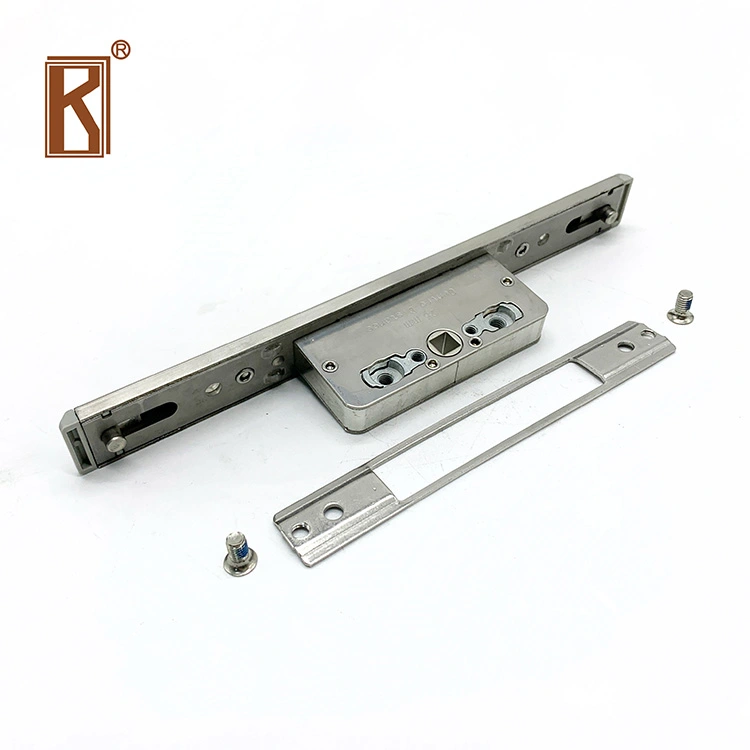
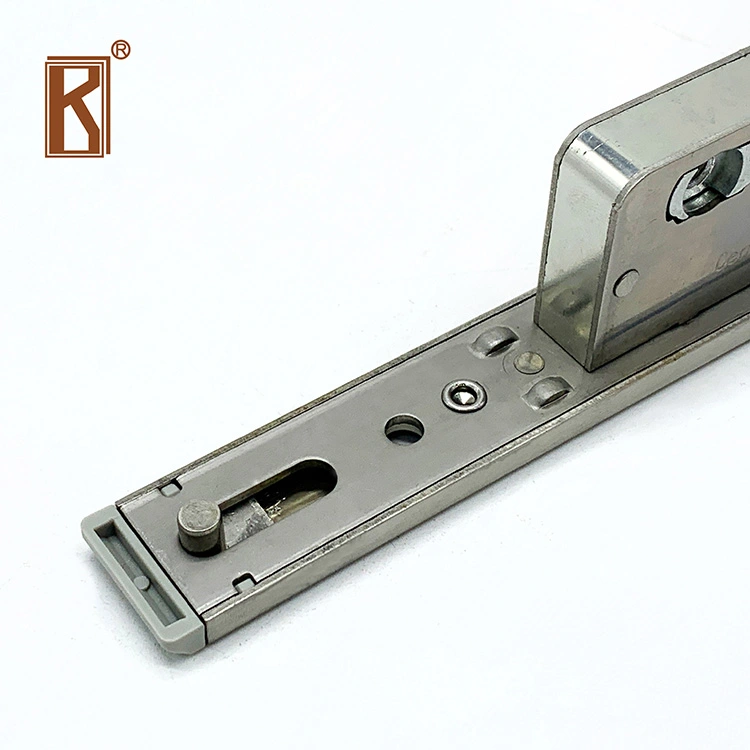
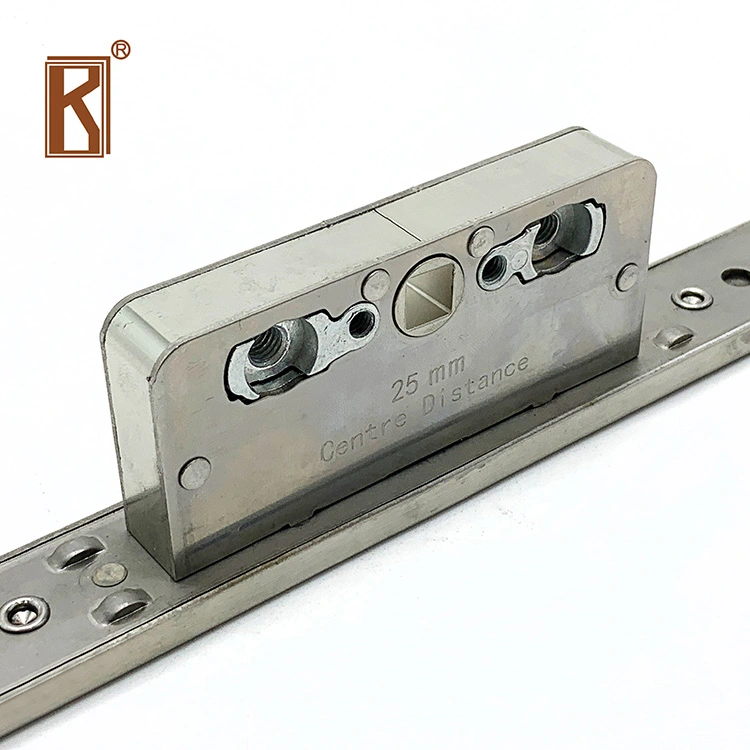
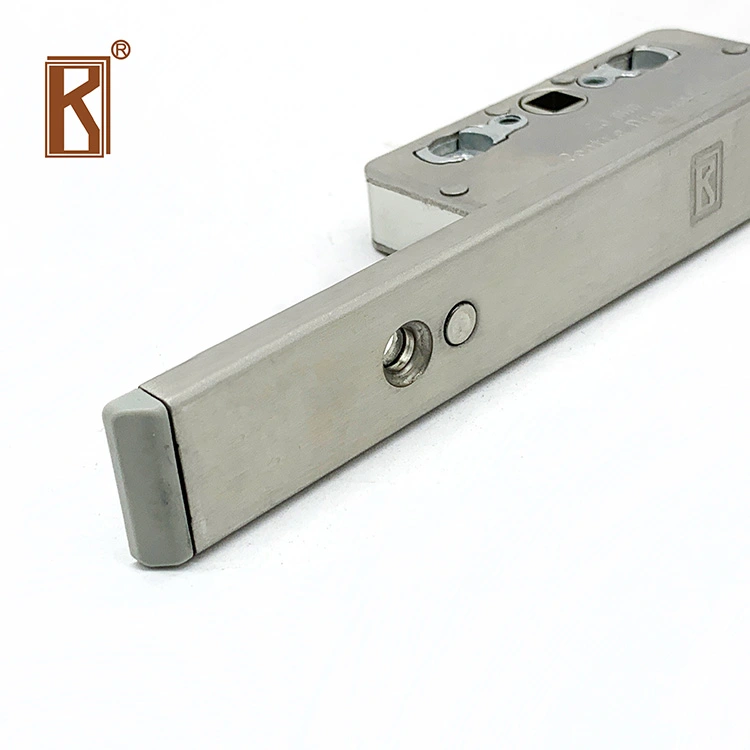
Opposite-Direction Linkage SUS304 Casement Window Lock Case
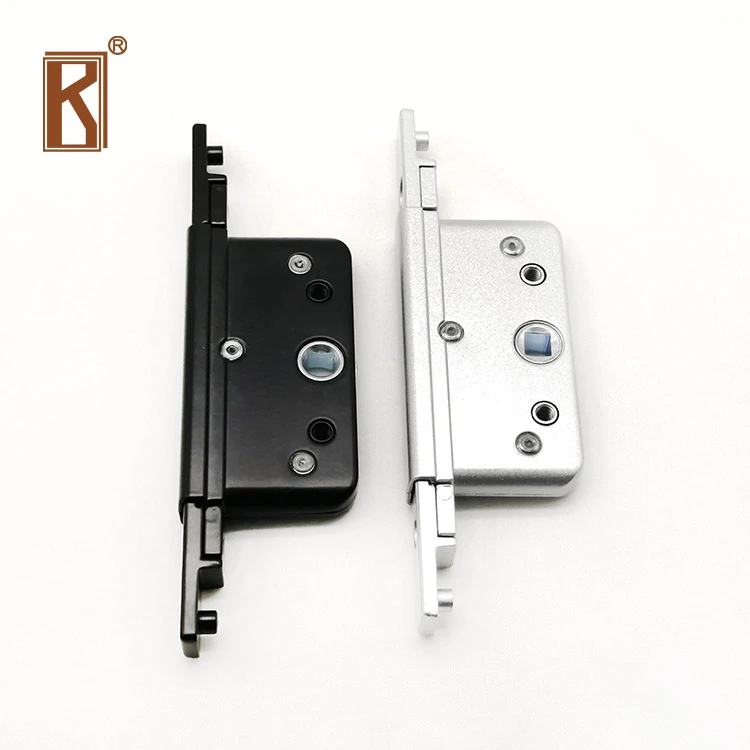
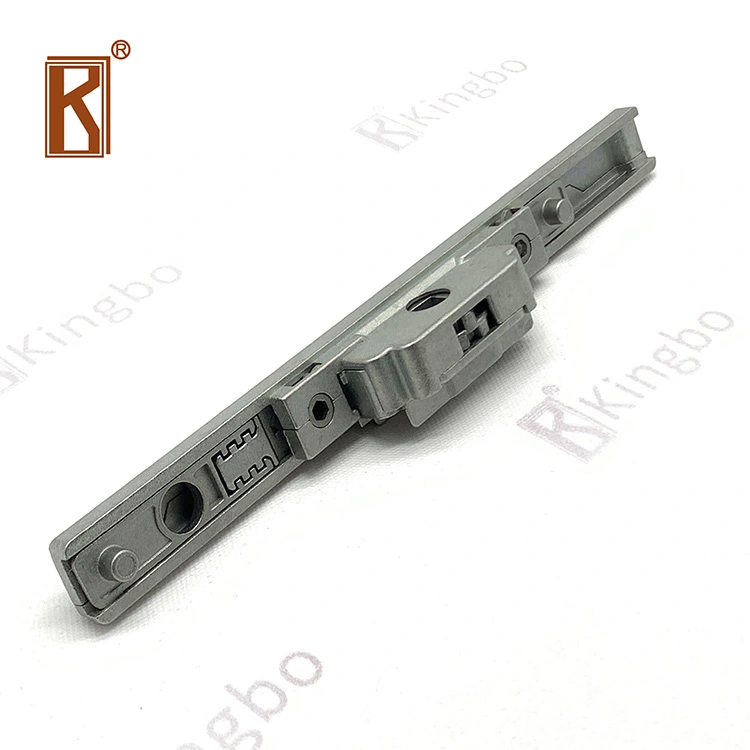
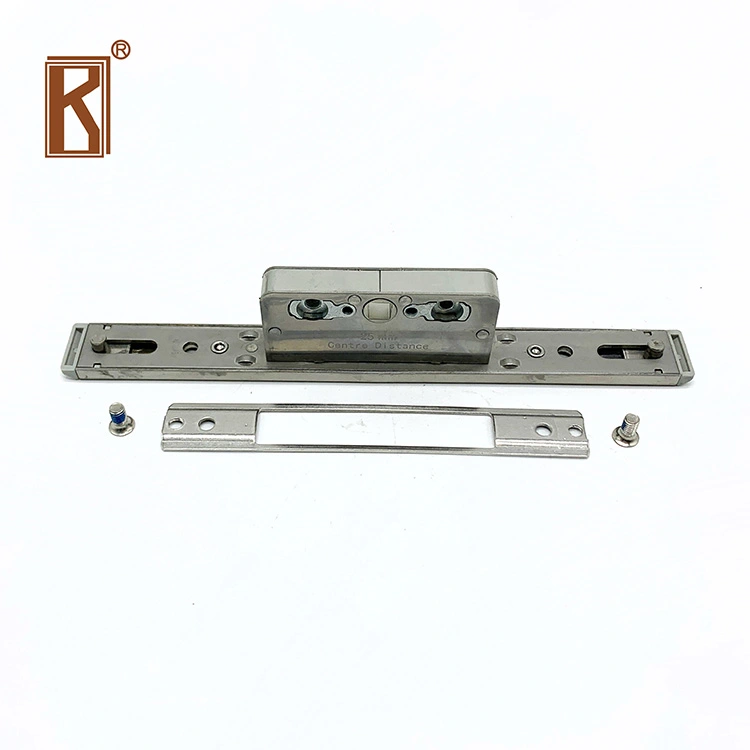
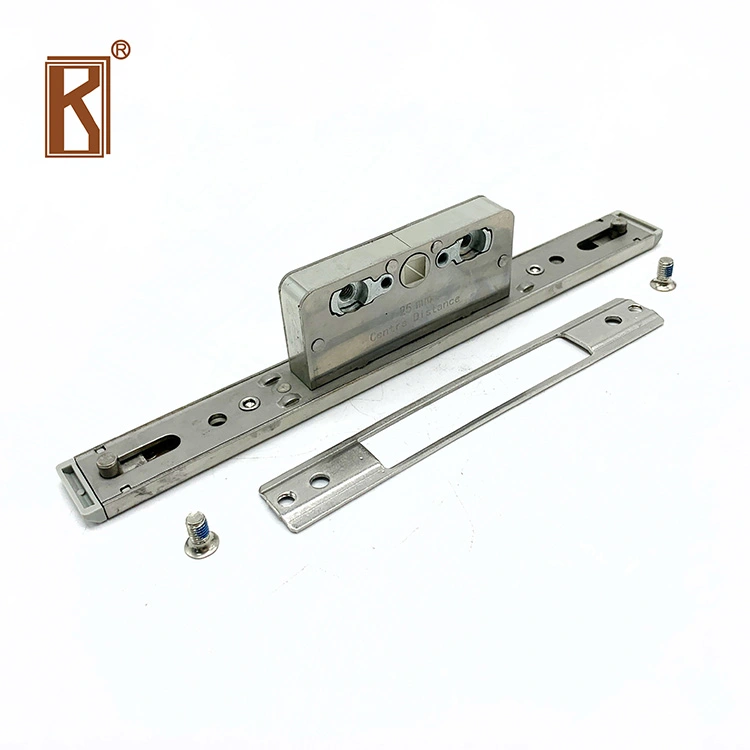
China manufacturer KINGBO quality Opposite-Direction Linkage SUS304 Casement Window Lock Case supplier factory provides durable window hardware with SUS304 stainless steel.It ensures synchronized locking, corrosion resistance, and stable 50,000-cycle performance for casement windows in harsh environments.
Model:LCG-25L
Send Inquiry
Product Description
China manufacturer KINGBO quality factory supplier Opposite-Direction Linkage SUS304 Casement Window Lock Case offers SUS304 stainless steel locking hardware with synchronized multi-point design. It improves sealing, wind resistance, and durability. Built-in anti-deviation structure ensures smooth operation and reduced wear. Suitable for coastal and humid environments with long service life.
Structural Engineering Design for Stable Locking
Opposite-direction synchronized locking mechanism
The core structure adopts a synchronized transmission system. When the handle is operated, the upper and lower locking points move in opposite directions at the same time. This creates balanced force distribution across the window sash, reducing stress concentration on a single point.
This mechanism significantly improves:
· Window sealing tightness
· Wind pressure resistance
· Overall sash stability
The Opposite-Direction Linkage SUS304 Casement Window Lock Case ensures that force is evenly transferred across multiple locking points, improving performance under strong wind or frequent use conditions.
Multi-point force distribution system
Unlike traditional single-point locking systems, the multi-point design improves structural rigidity. This helps reduce sash deformation and minimizes air leakage caused by uneven pressure distribution.
Product Features
The opposite-direction linkage structure of the Opposite-Direction Linkage SUS304 Casement Window Lock Case is its core advantage. When locking, the upper and lower lock points operate synchronously, distributing the locking force evenly across the sash, which significantly enhances the overall sealing performance of the window and reduces heat loss. This design also minimizes sash vibration during strong winds, ensuring stable operation even in harsh weather.
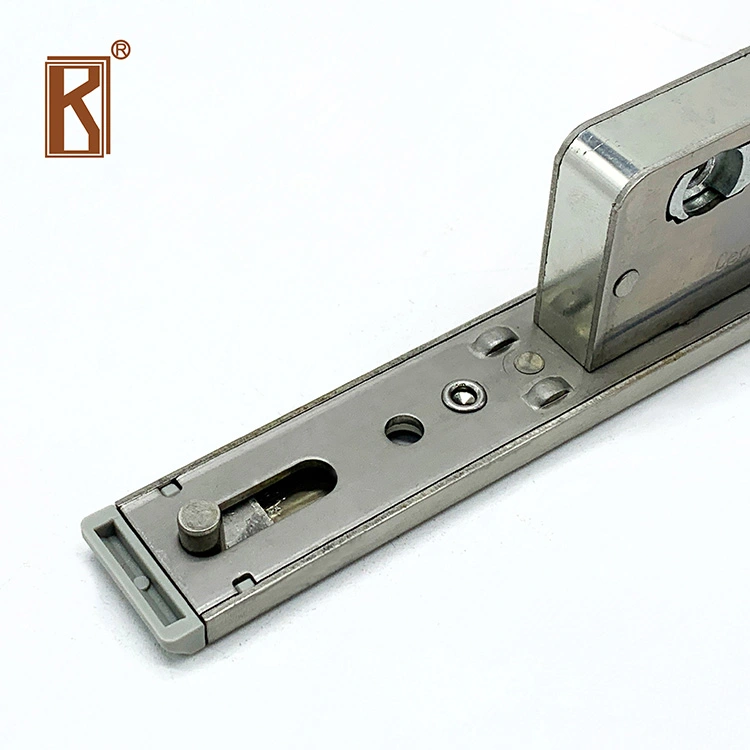
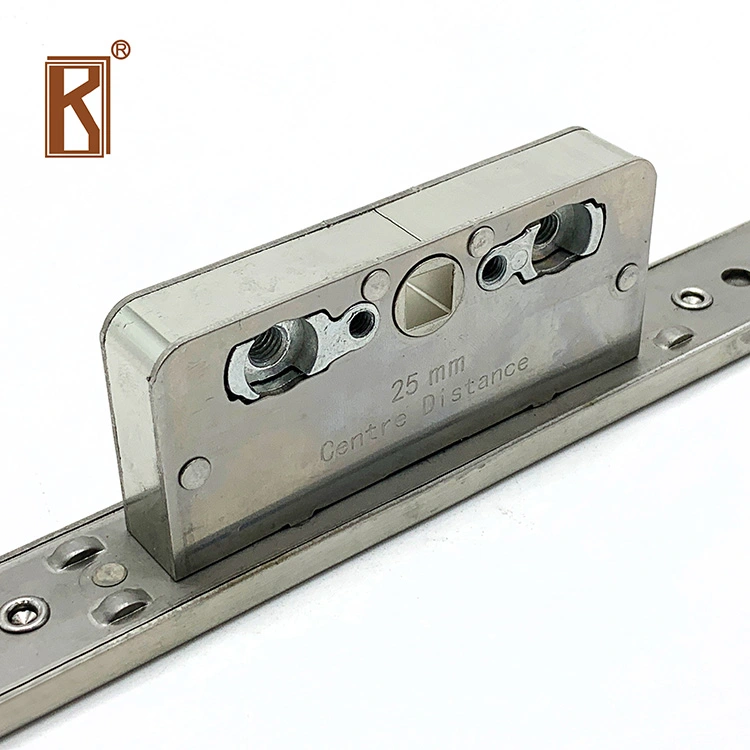
Equipped with a built-in anti-deviation plate, the lock case automatically adjusts the handle position during installation, preventing misalignment caused by uneven force. This not only ensures smooth opening and closing but also avoids long-term wear on the square shaft due to handle skew, extending the hardware’s service life.
The square shaft hole, crafted via die-casting technology, features high precision and dense internal structure. Compared with traditional machining, die-casting eliminates internal pores, enhancing wear resistance and torque strength—even after frequent rotation, the shaft hole remains intact without cracking, ensuring stable power transmission.
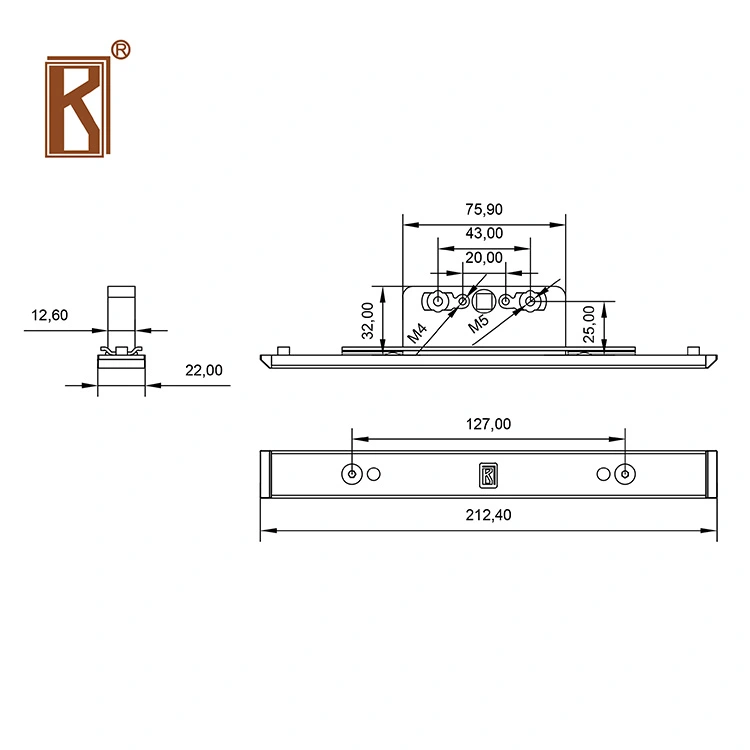
Product Parameters
| Opposite-Direction Linkage SUS304 Casement Window Lock Case | |
| Product name | Window lock case |
| Code number | LCG-25L |
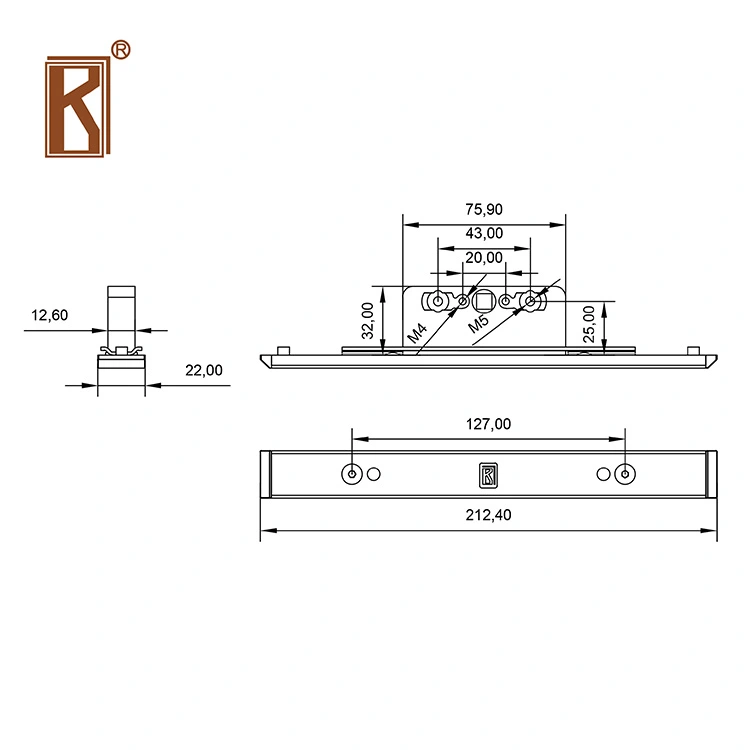
| Size | As drawing or customized |
| Material | 304SUS Stainless Steel |
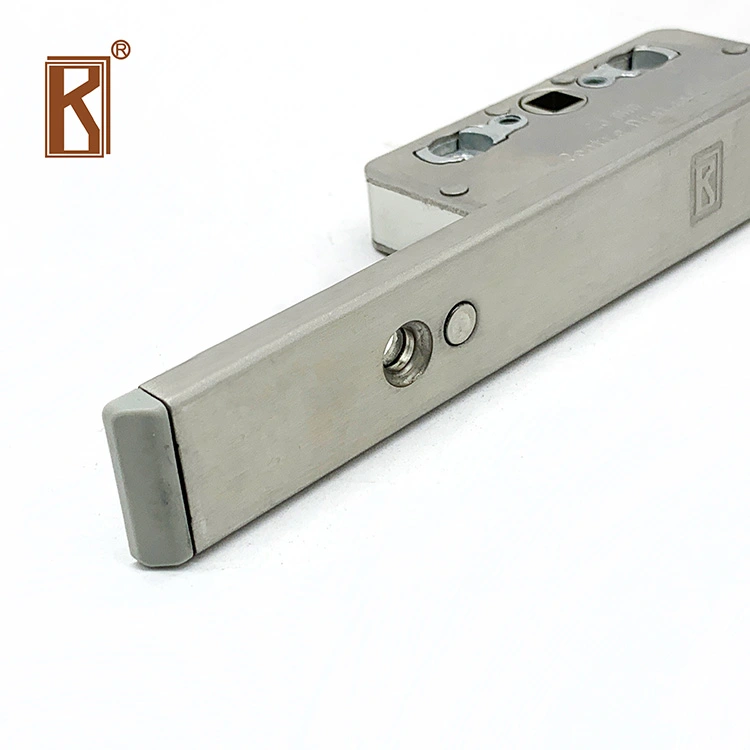
| Surface treatment | Mirror polishing |
| Other details |
Opposite-direction linkage system, built-in anti-deviation plate |
| Advantages/features | Good reputation & lots of long-term clients in global market |
| Timely and sincere after-sale service | |
| Easy to install, good-looking appearance | |
| Competitive price. | |
| Customized as per client's idea & aluminum section | |
| High dimensional stability for complex shapes & thin walls | |
| Fast delivery | |
| Certificates | Patents; SGS; CE |
| Packing detail | 1 pcs/poly bag; 100 boxes/carton |
| Lead time | Within 15 days |
| Special Service | Free OEM design |
| Logo design and print | |
Material Selection and Surface Engineering
SUS304 stainless steel construction
The main structure is manufactured using SUS304 stainless steel, known for:
· High tensile strength
· Strong corrosion resistance
· Stability in humid and coastal environments
Surface treatment process
After precision forming, the surface undergoes:
· Mirror polishing
· Passivation treatment
This creates a dense protective oxide layer that enhances anti-rust performance and reduces long-term surface wear.
The Opposite-Direction Linkage SUS304 Casement Window Lock Case is therefore suitable for both indoor and outdoor applications, especially in environments with high humidity or salt exposure.
Internal Mechanism and Functional Design
Opposite-direction linkage transmission system
The internal linkage system is designed for synchronized motion between locking points. This ensures smooth engagement and disengagement during operation.
Key advantages:
· Reduced operational resistance
· Stable mechanical movement
· Lower risk of internal misalignment
Built-in anti-deviation plate system
A precision anti-deviation plate is integrated into the structure. Its function is to automatically correct handle alignment during installation and long-term use.
Benefits include:
· Prevention of handle skew
· Reduced wear on square shaft components
· Improved long-term stability of locking operation
High-precision square shaft interface
The square shaft hole is produced using die-casting technology. Compared with traditional machining, this process improves internal density and structural integrity.
Advantages:
· Higher torque resistance
· Reduced internal porosity
· Improved wear resistance during repeated rotation cycles
Performance Testing and Durability Verification
The Opposite-Direction Linkage SUS304 Casement Window Lock Case has undergone strict durability testing before release.
Mechanical cycle testing
· 50,000 lock-unlock cycles
· No deformation or functional failure
· Stable torque transmission performance
Environmental adaptability
The product maintains stable performance under:
· High humidity conditions
· Coastal salt exposure
· Industrial atmospheric environments
These tests ensure consistent long-term operation in real installation scenarios.
Installation Guidance and Operational Notes
Standard installation steps
1. Confirm compatibility with window profile system
2. Align lock box with sash structure
3. Fix screws loosely for initial positioning
4. Adjust anti-deviation plate alignment
5. Tighten all fasteners evenly
6. Test locking and unlocking operation
Important installation considerations
· Ensure model matching with window profile depth
· Avoid excessive force during handle alignment
· Verify smooth multi-point engagement before final tightening
Incorrect installation may affect system alignment and reduce service life of the equipment.
Troubleshooting and Maintenance Guidelines
Issue: loose locking or unstable engagement
· Check if the anti-pull detent is properly positioned
· Re-align detent with handle base
· Retighten fixing screws after adjustment
Issue: square shaft jamming
· Apply silicone-based lubricant to shaft interface
· Avoid oil-based lubricants to prevent dust accumulation
· Inspect alignment between handle and lock box
Issue: repeated loosening after locking
· Verify compatibility with window profile series
· Ensure correct lock box depth selection
· Replace mismatched components if necessary
Regular inspection helps maintain stable performance of the Opposite-Direction Linkage SUS304 Casement Window Lock Case over long-term use.
Application Scenarios
This hardware system is suitable for:
· Residential casement windows
· Commercial building facades
· Coastal engineering projects
· High-rise window systems
· Industrial ventilation windows
Its stable multi-point locking structure improves safety and sealing performance in all above environments.
Maintenance Recommendations
To extend service life:
· Clean surface periodically with soft cloth
· Avoid corrosive cleaning agents
· Apply lubrication only on mechanical contact points
· Inspect screws and alignment every 6–12 months
Proper maintenance ensures long-term operational stability and reduces wear-related failures.
FAQ
1. Can Opposite-Direction Linkage SUS304 Casement Window Lock Case be used in coastal areas?
Yes. SUS304 stainless steel and passivation treatment provide strong resistance to salt corrosion and humidity exposure.
2. What makes the linkage system different from standard locks?
The opposite-direction linkage design distributes force across multiple locking points, improving sealing and reducing sash movement.
3. How long is the service life under normal conditions?
Under standard operating conditions and proper installation, it can exceed 50,000 operational cycles without functional failure.
Related Category
Casement Window Handle
Casement Window Friction Stay
Casement Window Transmitter
Casement Window Transmission Rod
Send Inquiry
Please Feel free to give your inquiry in the form below. We will reply you in 24 hours.