


How to Choose the Right Glass Hardware for Commercial and Residential Projects
Glass hardware plays a critical role in the performance, safety, and aesthetics of modern architectural glass systems. From frameless glass doors to large-scale commercial façades, selecting the right glass hardware directly impacts durability, usability, and long-term maintenance. This in-depth guide explores types of glass hardware, material selection, application scenarios, installation considerations, and how professional suppliers like glass hardware solutions from Kingbo support global construction projects.
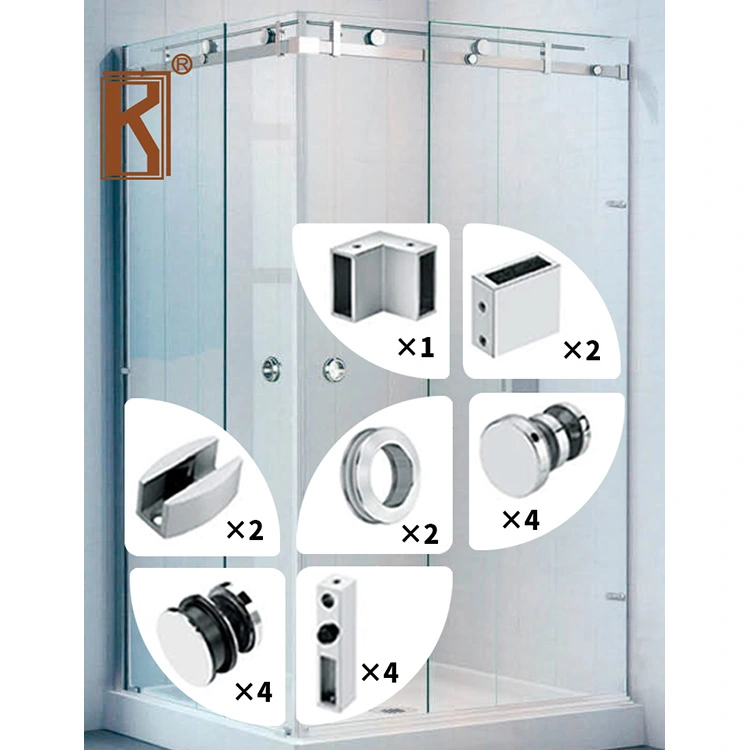
Table of Contents
- Understanding Glass Hardware: Definition and Importance
- Common Types of Glass Hardware Systems
- Glass Hardware for Commercial vs Residential Projects
- Materials Used in Glass Hardware
- Key Factors When Choosing Glass Hardware
- Installation and Safety Considerations
- Why Quality Glass Hardware Matters
- Trends in Modern Glass Hardware Design
- Frequently Asked Questions (FAQ)
Understanding Glass Hardware: Definition and Importance
Glass hardware refers to specialized metal components used to support, connect, open, close, or secure glass panels in architectural and interior applications. These components ensure structural stability while maintaining the transparency and minimalism that modern glass design demands.
In both residential and commercial construction, glass hardware enables frameless aesthetics, smooth operation, and compliance with safety standards. Without proper hardware, even the highest-quality tempered or laminated glass cannot perform as intended.
Common Types of Glass Hardware Systems
1. Glass Door Hardware
- Glass door hinges
- Patch fittings
- Door handles and knobs
- Floor springs and closers
2. Shower Glass Hardware
- Shower hinges
- Glass clamps
- Support bars
- Sliding shower systems
3. Structural Glass Hardware
- Spider fittings
- Point-fixed systems
- Glass connectors
Glass Hardware for Commercial vs Residential Projects
| Application | Commercial Projects | Residential Projects |
|---|---|---|
| Load Capacity | High | Medium |
| Usage Frequency | Very High | Moderate |
| Design Focus | Durability + Compliance | Aesthetics + Comfort |
| Typical Hardware | Floor springs, patch fittings | Shower hinges, sliding systems |
Commercial projects require glass hardware that meets strict building codes and endures continuous use, while residential projects prioritize smooth operation and visual appeal.
Materials Used in Glass Hardware
Stainless Steel
Stainless steel glass hardware offers excellent corrosion resistance, strength, and longevity, making it ideal for bathrooms, coastal environments, and high-traffic commercial spaces.
Aluminum Alloy
Lightweight and cost-effective, aluminum hardware is commonly used in interior applications and decorative systems.
Brass
Brass glass hardware provides a premium aesthetic, often used in luxury interiors and boutique projects.
Key Factors When Choosing Glass Hardware
- Glass thickness compatibility
- Load-bearing capacity
- Environmental conditions
- Installation method
- Maintenance requirements
Working with experienced manufacturers like Kingbo ensures hardware systems are engineered to match specific project requirements and international standards.
Installation and Safety Considerations
Improper installation is one of the leading causes of glass hardware failure. Accurate alignment, torque control, and professional-grade fasteners are essential for long-term safety.
Always follow manufacturer guidelines and ensure compatibility between glass type and hardware system.
Why Quality Glass Hardware Matters
High-quality glass hardware improves:
- Structural integrity
- User safety
- Operational lifespan
- Overall architectural value
Inferior hardware often leads to glass breakage, misalignment, and increased maintenance costs.
Trends in Modern Glass Hardware Design
Modern glass hardware design emphasizes minimalism, concealed fittings, and modular systems. Custom finishes, smart integration, and sustainability are also shaping future trends.
Manufacturers like Kingbo continue to innovate by combining precision engineering with contemporary aesthetics to meet evolving global demands.
Frequently Asked Questions (FAQ)
Q1: What glass thickness is suitable for standard glass hardware?
Most glass hardware supports thicknesses ranging from 8mm to 12mm, but heavy-duty systems can accommodate thicker glass.
Q2: Can glass hardware be used outdoors?
Yes, provided the hardware is made from corrosion-resistant materials such as stainless steel.
Q3: How do I ensure compatibility between glass and hardware?
Always check manufacturer specifications and consult professional suppliers like Kingbo.
Q4: Is custom glass hardware available?
Yes, many manufacturers offer customization in size, finish, and load capacity.
Choosing the right glass hardware is essential for achieving safety, durability, and design excellence in both commercial and residential projects. If you are looking for reliable, high-performance glass hardware solutions backed by professional manufacturing expertise, Kingbo offers a comprehensive range of products and technical support. Contact us today to discuss your project requirements and discover how the right glass hardware can elevate your design.