


What Is a Chain Winder and How Does It Work in Industrial Applications
A chain winder is a critical mechanical device widely used in industrial, commercial, and marine applications for controlled lifting, lowering, and positioning of loads. This in-depth guide explains what a chain winder is, how it works, its key components, major applications, and how to select the right chain winder for your project. Drawing on industry practices and professional manufacturing standards, this article also highlights why companies like Kingbo are trusted suppliers in the global hardware market.
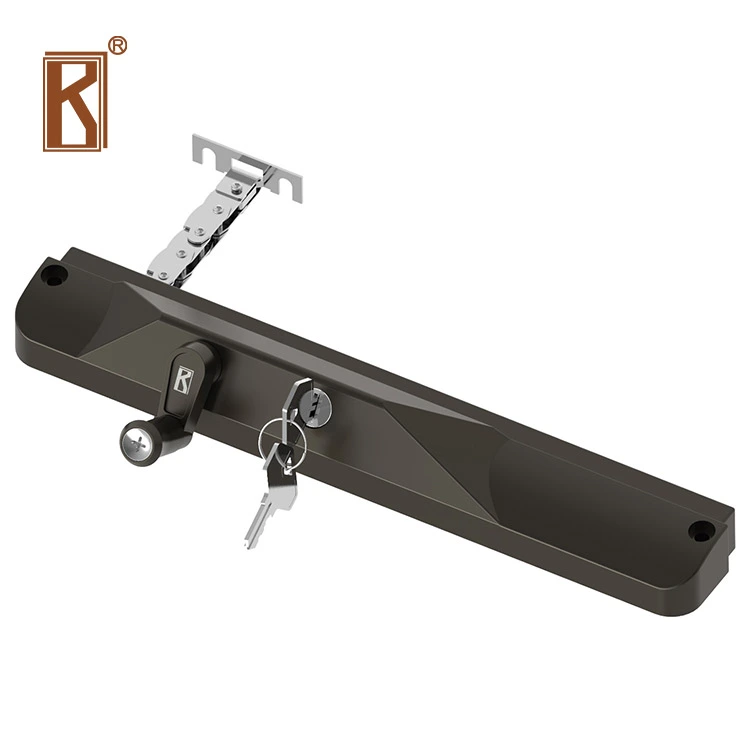
Table of Contents
- 1. What Is a Chain Winder?
- 2. How Does a Chain Winder Work?
- 3. Main Components of a Chain Winder
- 4. Types of Chain Winders
- 5. Industrial Applications of Chain Winders
- 6. Advantages of Using a Chain Winder
- 7. How to Choose the Right Chain Winder
- 8. Why Choose a Reliable Chain Winder Manufacturer
- 9. Frequently Asked Questions (FAQ)
1. What Is a Chain Winder?
A chain winder is a mechanical device designed to wind, unwind, and control chains under load. It is commonly used in lifting, tensioning, and positioning operations where precise manual control is required. Unlike powered hoists, chain winders rely on human-operated mechanisms, making them ideal for environments where electricity or hydraulics are unavailable or impractical.
Chain winders are often found in:
- Industrial machinery
- Marine and offshore equipment
- Construction sites
- Material handling systems
- Stage and theatrical rigging
For a detailed product overview, you can explore this chain winder reference page.
2. How Does a Chain Winder Work?
The working principle of a chain winder is based on mechanical advantage and rotational force. When the operator turns the handle or wheel, the internal gear system rotates the drum, which winds or releases the chain in a controlled manner.
Key operational steps include:
- Manual force is applied to the handle or hand wheel
- Gear reduction amplifies torque
- The drum rotates slowly but with high load capacity
- The chain winds evenly around the drum
- A braking mechanism prevents back-sliding
This controlled movement is what makes chain winders especially suitable for precision lifting and load positioning.
3. Main Components of a Chain Winder
| Component | Function |
|---|---|
| Drum | Holds and winds the chain evenly |
| Gear System | Provides mechanical advantage |
| Handle / Hand Wheel | Used by the operator to apply force |
| Brake Mechanism | Prevents accidental load release |
| Housing | Protects internal components |
4. Types of Chain Winders
Chain winders are available in several configurations depending on load capacity, mounting style, and usage environment.
- Manual Chain Winders – Operated entirely by hand
- Heavy-Duty Chain Winders – Designed for high load capacities
- Wall-Mounted Chain Winders – Fixed installations for repetitive tasks
- Portable Chain Winders – Compact and mobile for flexible use
Manufacturers like Kingbo offer customized chain winders to meet specific industrial requirements.
5. Industrial Applications of Chain Winders
Chain winders are widely used across multiple industries due to their reliability and simplicity.
Common Application Scenarios
- Adjusting conveyor belt tension
- Raising and lowering industrial doors
- Positioning heavy machinery components
- Marine anchor handling systems
- Temporary lifting operations on construction sites
Their ability to function without power makes them indispensable in remote or hazardous environments.
6. Advantages of Using a Chain Winder
- ✔ Precise load control
- ✔ High safety level with braking systems
- ✔ Low maintenance requirements
- ✔ Cost-effective compared to powered systems
- ✔ Long service life
These advantages explain why chain winders remain a preferred solution in many industrial applications.
7. How to Choose the Right Chain Winder
Selecting the right chain winder involves evaluating several technical factors:
- Maximum load capacity
- Chain size and length
- Operating environment (corrosion, temperature)
- Mounting requirements
- Safety certifications
Working with an experienced supplier such as Kingbo ensures that the chain winder meets both performance and safety standards.
8. Why Choose a Reliable Chain Winder Manufacturer
A reliable manufacturer provides more than just products — they offer engineering expertise, quality assurance, and after-sales support.
Kingbo is known for:
- Strict quality control processes
- Durable materials and precision machining
- Compliance with international standards
- Customization capabilities
This level of professionalism ensures long-term reliability and operational safety.
9. Frequently Asked Questions (FAQ)
Q1: Is a chain winder suitable for heavy loads?
Yes, heavy-duty chain winders are specifically designed to handle substantial loads when properly rated.
Q2: Can chain winders be used outdoors?
Absolutely. With corrosion-resistant coatings, chain winders can operate in harsh outdoor environments.
Q3: How often should a chain winder be maintained?
Routine inspections and lubrication are generally sufficient to ensure long-term performance.
Q4: Are custom chain winders available?
Yes. Manufacturers like Kingbo offer customized solutions based on load, mounting, and operational needs.
Conclusion
Understanding what a chain winder is and how it works helps industries make informed decisions about load control solutions. With its simplicity, safety, and reliability, the chain winder remains a valuable tool across many sectors.
If you are looking for high-quality chain winders backed by professional manufacturing expertise, Kingbo is ready to support your project. Contact us today to discuss your requirements and discover the right solution for your application.