


Casement Window Hardware is the mechanical system that helps a casement window open, close, stay aligned, lock securely, and maintain consistent contact with its sealing elements. Although handles and hinges are the most visible components, reliable window performance depends on the interaction of several parts, including friction stays, transmission rods, lock cases, handles, locking points, restrictors, fasteners, and mounting interfaces. Material selection, component geometry, sash size, sash weight, profile compatibility, installation accuracy, environmental exposure, and maintenance requirements all influence the final result. A properly designed system must provide smooth movement without sacrificing structural support, controlled opening, or reliable locking. For residential, commercial, high-rise, and engineering projects, selecting hardware as an integrated system rather than as unrelated individual parts can improve operational consistency and simplify installation and maintenance.
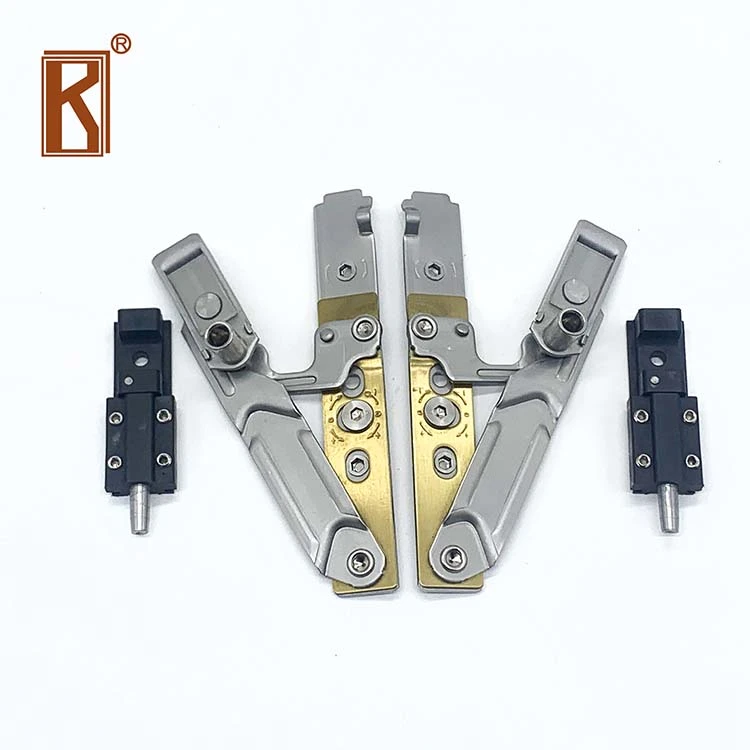
Table of Contents
Click a section below to jump directly to the topic.
- 1. Why Does Window Hardware Matter to Overall Performance?
- 2. How Does a Casement Window Hardware System Work?
- 3. Which Components Form the Core Mechanical System?
- 4. How Should Sash Size, Weight, and Opening Type Be Considered?
- 5. Why Are Friction Stays Important for Controlled Movement?
- 6. How Do Handles and Transmission Components Work Together?
- 7. How Does Multi-Point Locking Improve Window Stability?
- 8. Which Materials and Surface Treatments Suit Different Environments?
- 9. How Important Is Compatibility With the Window Profile?
- 10. How Can Hardware Improve Safety and Opening Control?
- 11. How Should Hardware Be Selected for Different Buildings?
- 12. What Common Selection and Installation Errors Should Be Avoided?
- 13. What Should a Professional Technical Specification Include?
- 14. Frequently Asked Questions
Why Does Window Hardware Matter to Overall Performance?
A casement window may look simple from the outside, but its movement and closing performance depend on a coordinated mechanical system hidden within or around the frame and sash.
When a user turns a handle, the action is transferred through mechanical components before the window actually changes position. Locking points move into or out of engagement, transmission elements distribute movement along the sash, and hinges or friction stays guide the opening motion. Once the sash reaches the desired position, the hardware must help maintain that position against normal environmental forces.
This means the hardware is part of the operating structure of the window. It is involved in security, movement, ventilation, sealing, user comfort, and long-term serviceability.
A well-designed window profile can still perform poorly when the mechanical system is incorrectly selected. A sash that is too heavy for its support hardware can become difficult to operate. A transmission rod with an unsuitable geometry can create excessive handle resistance. A friction stay that does not match the sash size can provide insufficient support or excessive friction.
Locking points and lock cases help keep the sash firmly connected to the frame when the window is closed.
Friction stays and related components guide the sash and help control its opening behavior.
Correct locking movement can help maintain consistent compression between the sash, frame, and sealing elements.
Handles, gears, rods, and pivots determine how easily the window responds to everyday operation.
Hardware selection is therefore closely connected with the window system itself. Engineers need to understand the profile groove, sash dimensions, sash weight, opening direction, installation location, expected operating frequency, and environmental exposure before choosing the components.
Why the mechanical system matters more as the sash becomes larger
Large windows place greater mechanical demands on hinges, friction stays, locking points, and transmission components. The increased sash mass creates higher forces during opening and closing, while larger glazed areas can increase exposure to wind pressure.
High-rise applications introduce another consideration. Wind loads can cause movement and vibration that place additional stress on the window system. Hardware designed for a small residential sash may not be suitable for a large architectural opening.
Why hardware cannot be evaluated separately
It is tempting to compare a handle by appearance, a hinge by material, or a lock by the number of locking points. A better evaluation looks at the interaction among components.
The handle must operate the transmission system. The transmission system must move the locking points. The friction stay must support the sash while allowing appropriate movement. The frame and profile must provide proper fixing positions. The seals must remain correctly positioned as the sash closes.
How Does a Casement Window Hardware System Work?
The operation of a casement window can be understood as a sequence of mechanical actions. The user begins with the handle, while several internal and external components translate that movement into controlled sash motion and locking.
Step 1: Handle movement
The handle is the user interface. Turning it applies rotational force to the mechanism beneath the handle base.
The handle needs to feel stable and consistent. Excessive looseness may indicate wear or an unsuitable connection, while excessive resistance can indicate friction elsewhere in the system.
Step 2: Transmission movement
The handle can drive a transmission rod or gear mechanism. The transmission system distributes movement from the handle to locking points positioned around the sash.
This allows one handle to operate multiple locking positions rather than requiring separate manual locks at several locations.
Step 3: Locking engagement
As the handle reaches the closed position, the locking elements engage with corresponding receivers on the frame. Proper engagement helps maintain the relationship between sash and frame.
Step 4: Opening movement
Once the locking points disengage, the sash can move outward or inward according to the window design. Hinges and friction stays guide this movement.
Step 5: Position control
Friction-based support components can influence how easily the sash moves and how well it holds an intermediate opening position.
This is particularly useful when the window needs controlled ventilation rather than simply being fully open or closed.
Step 6: Closing and resealing
When the sash returns to the frame, the locking components engage again. Proper hardware geometry helps ensure that the sash returns to its intended position without excessive force or misalignment.
| Operating Stage | Primary Component | Mechanical Function |
|---|---|---|
| Handle rotation | Handle and drive interface | Provides user input |
| Movement transfer | Transmission rod or gear | Transfers rotation through the sash |
| Lock engagement | Lock case and locking points | Secures the sash to the frame |
| Opening | Friction stay and hinge system | Guides sash movement |
| Position holding | Friction mechanism | Controls movement and opening position |
| Closing | Locking and transmission system | Returns the sash to the locked position |
The entire sequence depends on dimensional compatibility. Even a small difference in mounting position can influence the movement path, locking engagement, or handle operation.
This explains why window hardware should be matched to the profile system rather than installed based solely on visual similarity. The external shape of two hardware components can look almost identical while their fixing points, transmission geometry, or operating range are different.
Which Components Form the Core Mechanical System?
A complete casement window system can include several different hardware categories. Each category solves a specific mechanical problem, but their dimensions and functions need to remain coordinated.
Window handles
Handles convert user movement into mechanical rotation. They also contribute significantly to the visual appearance of the interior side of the window.
A practical handle should provide a comfortable grip while remaining mechanically compatible with the transmission system beneath it.
Friction stays
Friction stays support the sash during opening and can provide resistance that helps control movement. Stainless-steel versions are commonly used where corrosion resistance and repeated operation are important.
Transmission rods
Transmission rods distribute movement from the central operating point toward other locking positions. Their length, cross-section, connection geometry, and compatibility with the profile channel can influence the overall operation.
Lock cases
The lock case provides the central mechanical structure through which handle movement is converted into locking movement. Its design needs to correspond to the transmission arrangement and the desired locking configuration.
Locking points
Multiple locking points can be positioned along the sash perimeter. Their purpose is to establish controlled engagement between the sash and frame at more than one location.
Window restrictors
Restrictors limit how far a sash can open. They can be useful in applications where controlled ventilation is required while reducing the possibility of excessive opening.
Fasteners and mounting parts
Fasteners may appear secondary, but their placement and compatibility are critical. The hardware must be securely fixed to the profile without damaging the extrusion or creating an unstable connection.
| Component | Main Function | Key Selection Factor |
|---|---|---|
| Handle | User operation | Grip, spindle or drive interface, mounting geometry |
| Friction stay | Sash support and movement control | Material, size, load requirement, friction characteristics |
| Transmission rod | Movement distribution | Length, profile compatibility, locking geometry |
| Lock case | Central locking mechanism | Profile compatibility and transmission configuration |
| Locking point | Sash-to-frame engagement | Position, geometry, adjustment capability |
| Restrictor | Opening limitation | Opening angle, mounting position, release method |
| Fasteners | Mechanical attachment | Thread, material compatibility, profile engagement |
Why component compatibility matters
A handle may be dimensionally correct at the visible surface but mechanically incompatible with the internal gearbox. A friction stay may fit physically but be unsuitable for the sash weight. A transmission rod may have the right length but the wrong connection profile.
Professional specification therefore needs to cover the complete hardware chain.
- Mechanical compatibility: Components should connect without forcing or modifying the intended mechanism.
- Dimensional compatibility: Mounting positions and operating geometry should correspond to the window profile.
- Load compatibility: Support components should match the sash dimensions and weight.
- Environmental compatibility: Materials and finishes should suit the installation environment.
- Operational compatibility: The complete mechanism should provide smooth, repeatable movement.
How Should Sash Size, Weight, and Opening Type Be Considered?
Sash dimensions are among the most important inputs when selecting supporting and operating components. Increasing the width, height, glass area, or overall mass changes the mechanical load applied to hinges and stays.
Sash weight
Glass often represents a substantial portion of the total sash mass. Additional glazing thickness, laminated glass, decorative elements, or other components can increase the load significantly.
The hardware should therefore be selected according to the actual completed sash rather than the frame dimensions alone.
Sash width and height
Large sashes create different leverage forces during opening. Hardware may experience higher loads when the sash is opened to a wide angle, especially in windy conditions.
The position of friction stays and hinges affects the mechanical leverage available to support the sash.
Opening direction
Left-hand and right-hand configurations can require different hardware arrangements or installation orientations. The installer should verify the opening direction before assembling transmission components and handles.
Top-hung and side-hung configurations
Top-hung windows place the sash support arrangement above the opening, while conventional side-hung casement configurations pivot along a vertical edge.
The two arrangements can use different friction stay geometries and load paths, so the hardware should be selected according to the actual window type.
Large architectural windows
Large windows require particular attention to sash support, movement control, locking engagement, and profile rigidity. In high-rise environments, wind pressure may add significant operational stress.
| Window Factor | Mechanical Effect | Specification Response |
|---|---|---|
| Sash weight | Higher load on stays and hinges | Select hardware with appropriate supporting capability |
| Sash width | Changes leverage during opening | Review hardware position and operating forces |
| Sash height | Influences load distribution | Match support arrangement to overall sash geometry |
| Opening angle | Changes mechanical force and wind exposure | Check stay design and opening control |
| Glazing type | Can change total sash mass | Calculate the complete assembly weight |
| Installation height | May increase wind and environmental exposure | Consider site conditions and hardware durability |
Why actual sash data matters
Window hardware should not be selected using a generic “small,” “medium,” or “large” category without supporting dimensional information.
A better approach is to provide the profile dimensions, finished sash size, approximate sash weight, glazing configuration, opening direction, and intended operating conditions.
- Measure the finished sash: Confirm the actual width and height after the profile and glazing system are defined.
- Determine the sash mass: Include glass, profile, reinforcement, seals, and installed hardware.
- Define the opening type: Identify side-hung, top-hung, parallel opening, or another configuration.
- Define the target opening: Establish the normal and maximum desired opening positions.
- Review environmental loads: Consider wind, humidity, coastal exposure, and other relevant site conditions.
This information allows the supporting hardware to be selected using actual operating conditions rather than assumptions.
Why Are Friction Stays Important for Controlled Movement?
A casement sash needs to move freely enough for comfortable operation while remaining controlled enough to avoid sudden movement. The friction stay is one of the components that helps create this balance.
Friction stays combine support with controlled resistance. As the sash moves, the friction mechanism creates a defined level of resistance. This can help prevent the sash from swinging freely and can assist in holding it at an intermediate opening position.
Support function
The stay transfers part of the sash load into the frame. Its geometry and fixing points influence how that load is distributed.
Friction function
Friction creates resistance during opening and closing. The intended level depends on the design and application.
Too little resistance can allow unwanted movement. Too much resistance can make the handle and sash unnecessarily difficult to operate.
Stainless-steel construction
Stainless steel is widely used for friction stay components because corrosion resistance is important in areas exposed to humidity, condensation, salt air, or frequent cleaning.
The exact steel grade, surface treatment, slider design, and manufacturing quality influence the service performance.
Slider design
The sliding element is central to the stay's operation. Smooth movement along the track helps reduce noise and unnecessary resistance.
The slider should remain properly aligned with the track throughout the opening range.
Opening-angle control
Some stay designs are selected specifically to provide a defined maximum opening range. This can be useful when the window is located near a pedestrian route, in a family residential environment, or where controlled ventilation is preferred.
| Friction Stay Feature | Influence on the Window | Selection Consideration |
|---|---|---|
| Material | Corrosion resistance and structural durability | Match material to environment |
| Track length | Available movement range | Match opening geometry |
| Slider | Movement smoothness | Check material, alignment, and wear resistance |
| Friction level | Opening and closing resistance | Balance operating comfort with movement control |
| Fixing points | Load transfer to the frame | Confirm profile compatibility |
| Opening limit | Maximum sash movement | Match ventilation and safety requirements |
Why the wrong friction stay causes problems
If a stay is too small for the sash, it may experience excessive stress. If the friction mechanism is too strong, users may need to apply excessive force to open the window. If the geometry does not match the profile, installation can create uneven loading or restricted movement.
These problems can eventually affect other components because users tend to compensate for mechanical resistance by applying more force to the handle.
How Do Handles and Transmission Components Work Together?
The handle is only the visible beginning of the operating system. Beneath it, a transmission mechanism transfers rotational movement to the locking points located around the sash perimeter.
Central drive point
The handle rotates a central drive element. Depending on the design, the drive can connect to a gearbox, transmission rod, or another mechanical interface.
Transmission rod
The transmission rod extends the operating movement along the frame or sash. Its geometry needs to match the profile system so that the rod can move without unwanted friction or interference.
Opposing movement
Some locking arrangements require components to move in opposite directions to engage different locking positions. The lock case and transmission components need to be designed to coordinate these movements correctly.
Handle ergonomics
Although the transmission system is hidden, the user experiences its mechanical condition through the handle.
A smooth handle can indicate that the transmission, locking points, friction components, and profile alignment are operating together effectively. A stiff or inconsistent handle can indicate problems elsewhere in the system.
Why handle design is not only cosmetic
The handle shape affects grip and operating comfort. Slim contemporary handles may be appropriate for narrow-frame windows, while larger handles can provide a different grip profile for applications where accessibility or operating force needs greater attention.
| Transmission Element | Function | Potential Issue if Mismatched |
|---|---|---|
| Handle | Provides rotational input | Loose, uncomfortable, or excessive operating movement |
| Drive interface | Connects handle to internal mechanism | Incomplete movement transfer |
| Transmission rod | Distributes mechanical movement | Friction, interference, incomplete locking |
| Lock case | Coordinates central locking action | Stiff operation or incomplete engagement |
| Locking points | Secure the sash at multiple positions | Uneven compression or reduced security |
How smooth operation is created
Smooth operation is not the result of one component. It depends on dimensional accuracy, correct lubrication where specified, low-friction interfaces, suitable materials, correct mounting, proper adjustment, and an aligned sash.
For example, a high-quality handle cannot overcome a badly aligned sash. A precision transmission rod cannot compensate for a deformed profile. A durable lock case cannot correct incorrect installation positions.
This is why manufacturers and fabricators need a system-level approach to hardware selection.
How Does Multi-Point Locking Improve Window Stability?
Closing a casement window involves more than bringing the sash against the frame. The locking system needs to establish consistent engagement around the perimeter so that the sash remains in the intended closed position.
Central locking
The central lock case acts as the main operating element. When the handle turns, the lock case transfers movement to other components.
Multiple locking positions
Multiple locking points distribute the mechanical engagement around the sash rather than concentrating the closing action at one location.
This can help maintain a more even relationship between the sash and frame, especially on larger openings.
Lock-point engagement
Proper engagement depends on accurate positioning of both the moving locking element and the corresponding frame receiver. Misalignment can increase handle force or prevent the lock from engaging completely.
Sealing pressure
When correctly designed and adjusted, the locking system can contribute to consistent compression of the window sealing elements.
However, hardware is only one part of airtightness. Profile geometry, gasket design, gasket condition, sash alignment, fabrication accuracy, and installation quality also affect sealing.
Security is a system function
Security cannot be measured by the lock case alone. The frame profile, glass, reinforcement, locking points, fasteners, hinges, and surrounding wall installation all contribute to the overall resistance of the window assembly.
Provides the central mechanism for operating the locking system.
Moves the locking elements around the sash in response to handle operation.
Provide the corresponding frame-side engagement points for the sash.
Provides the physical foundation against which the locking forces are transferred.
Why adjustment matters
Window systems can move slightly during transport, installation, thermal cycling, or repeated operation. Correct adjustment allows the locking points to maintain proper contact without requiring excessive handle force.
Installation teams should therefore check sash alignment and locking engagement after the window has been installed, not only before installation.
Which Materials and Surface Treatments Suit Different Environments?
Window hardware operates in environments that can range from dry indoor rooms to highly humid coastal locations. Material selection should therefore reflect actual exposure rather than appearance alone.
Stainless steel
Stainless steel is widely used for friction stays, lock components, and other structural hardware because it can provide useful corrosion resistance in humid conditions.
SUS304 stainless steel is a common engineering choice for many architectural hardware applications, although the correct grade should be confirmed according to the environmental requirements.
Zinc alloy
Zinc alloy can be used for handles, lock bodies, and other components where casting flexibility and shape complexity are important.
Surface finishing can be used to create different visual effects and additional surface protection.
Aluminum alloy
Aluminum alloy is relevant to transmission rods and selected architectural hardware components. Its relatively low density can be useful when reducing component mass while maintaining a rigid structure.
Anodized surfaces
Anodizing creates a controlled oxide layer on aluminum surfaces. It can provide a distinctive appearance and support surface durability when correctly processed.
Powder coating
Powder coating can provide a colored protective surface and is widely used across architectural hardware. Coating quality depends on surface preparation, application conditions, curing, and process control.
Fluorocarbon coatings
For demanding architectural environments, fluorocarbon-based finishes can be considered where the specified product and coating system are designed for external exposure.
| Material or Finish | Typical Hardware Role | Key Consideration |
|---|---|---|
| SUS304 stainless steel | Friction stays, lock components | Corrosion resistance and structural stability |
| Zinc alloy | Handles, selected lock bodies | Shape flexibility and appropriate surface treatment |
| Aluminum alloy | Transmission rods and selected components | Weight, rigidity, profile compatibility |
| Anodizing | Aluminum surface treatment | Process consistency and environmental suitability |
| Powder coating | Decorative and protective finish | Coating quality and substrate preparation |
| Fluorocarbon finish | Selected architectural components | Application environment and coating specification |
Coastal environments
Salt air increases corrosion exposure. Hardware used near coastlines should therefore be selected with attention to corrosion-resistant materials, surface treatment, fasteners, and contact between dissimilar metals.
Humid interiors
Bathrooms, kitchens, and other humid indoor environments can create persistent moisture exposure even without direct outdoor weather.
Corrosion-resistant hardware can help maintain mechanical performance in these conditions.
High-rise buildings
High-rise windows can experience stronger wind exposure and repeated pressure changes. The material choice remains important, but the hardware's structural configuration and installation quality are equally significant.
How Important Is Compatibility With the Window Profile?
Profile compatibility is one of the most important factors in hardware selection because aluminum window systems can use different groove dimensions, profile depths, reinforcement structures, and mounting arrangements.
Profile groove dimensions
The dimensions of the hardware channel determine whether the transmission rod, lock case, or other component can be installed correctly.
A component that is slightly too large can interfere with the profile. A component that is too small can create excessive movement or inadequate fixing.
Sash dimensions
Hardware selection should consider finished sash dimensions because these determine the distance between hinges, locking points, and operating elements.
Profile depth
Different profile systems can have different internal depths. This can affect the position of handles, lock cases, rods, and fixing screws.
System-specific hardware
Some architectural window systems use proprietary or semi-standardized groove dimensions. Hardware intended for one system may not be directly compatible with another system even when the visible components look similar.
Why physical fit is not enough
A component can physically fit into a profile and still provide poor performance if the transmission geometry does not align with the lock receivers or the friction stay fixing points.
| Profile Information | Influence on Hardware | Recommended Verification |
|---|---|---|
| Groove width | Housing of rods and lock components | Confirm against component dimensions |
| Groove depth | Component clearance | Check internal profile section |
| Fixing positions | Mounting stability | Verify screw locations and reinforcement |
| Profile reinforcement | Load transfer and screw retention | Confirm structural fixing method |
| Sash dimensions | Stay and locking geometry | Provide finished sash size |
| Receiver location | Lock engagement | Confirm position relative to locking points |
What information should a buyer provide?
- Profile drawing: Provide a sectional drawing showing groove dimensions and internal geometry.
- Sash dimensions: State the finished height and width.
- Sash weight: Include glazing and other installed components where possible.
- Opening type: Identify side-hung, top-hung, parallel, or another configuration.
- Opening direction: Confirm left-hand or right-hand operation where relevant.
- Operating requirement: Define desired opening control, locking arrangement, and expected usage.
- Environment: State whether the project is inland, coastal, humid, industrial, or otherwise demanding.
This information gives the manufacturer a practical basis for selecting or developing compatible components.
How Can Hardware Improve Safety and Opening Control?
Window safety involves more than locking the sash. In many residential and commercial environments, controlling how far a window opens can be equally important.
Opening restrictors
Restrictors can limit the maximum opening angle of a sash. This can help manage ventilation openings in applications where uncontrolled wide opening is undesirable.
The exact opening limit should be selected according to the intended application and the relevant building requirements.
Controlled ventilation
A restricted opening can provide airflow while keeping the sash within a defined movement range.
This can be useful in bedrooms, offices, apartments, schools, and other locations where users may want ventilation without leaving the window completely open.
Child-oriented residential considerations
Windows in family residences may require particular attention to opening control. Hardware can support a controlled opening strategy, but it should be part of a broader safety design that considers window height, room use, furniture position, and the applicable local requirements.
High-rise environments
High-rise windows require careful consideration of opening movement because wind pressure can increase rapidly with elevation and weather conditions.
Hardware selected for high-rise applications should therefore be matched to the sash size, wind environment, structural design, and project requirements.
Safe hardware operation
A safety feature should not create an unreliable operation sequence. Handles, restrictors, and locking components should be intuitive and should not require excessive force.
Restrictors can establish a controlled maximum opening angle.
Friction-based components help prevent uncontrolled sash movement.
Locking points help keep the sash connected to the frame when closed.
Clear operating feedback helps users understand whether the window is open, restricted, or locked.
Safety is not a substitute for correct installation
A restrictor cannot compensate for weak fixing. A strong lock cannot compensate for a damaged frame. A durable friction stay cannot compensate for an overloaded sash.
Hardware safety performance depends on the entire window assembly and its installation quality.
How Should Hardware Be Selected for Different Buildings?
Different building types create different operating demands. A private home, hotel, commercial tower, coastal property, and industrial facility may use similar window profiles while requiring different hardware specifications.
Focus on smooth daily operation, security, controlled ventilation, appearance, and practical maintenance.
Give additional attention to sash support, wind exposure, structural stability, friction control, and corrosion resistance.
Repeated guest operation makes durability, consistency, easy adjustment, and straightforward replacement particularly useful.
Prioritize reliable operation, controlled ventilation, consistent appearance, and efficient maintenance across multiple rooms.
Corrosion resistance and appropriate surface treatment become especially important under salt-laden air exposure.
Detailed profile compatibility, load data, hardware coordination, documentation, and repeatable installation are key considerations.
Residential windows
Residential projects usually emphasize ease of use and appearance. However, security and ventilation control are also important. A handle should be comfortable for daily use while the locking mechanism should maintain reliable engagement.
High-rise windows
Large windows installed at elevation can experience higher wind pressure. Friction stays and supporting hardware should therefore be selected according to the sash geometry and project loads.
Corrosion resistance can also be relevant because condensation and exposure to changing weather conditions may accelerate deterioration of unsuitable materials.
Hotel and hospitality projects
Hotels may require the same hardware configuration across many rooms. Consistency helps maintenance staff understand operating behavior and can simplify replacement.
The hardware should also tolerate frequent opening and closing over long periods.
Commercial buildings
Office buildings often have windows used primarily for ventilation and periodic cleaning access. Controlled movement and easy operation can therefore be more important than highly elaborate hardware.
Coastal architecture
Salt exposure creates an aggressive environment for metals. Stainless steel components and suitable surface treatments can help reduce corrosion risk, although no hardware should be considered immune to poor maintenance or incompatible material combinations.
Industrial and engineering applications
Industrial projects may involve dust, humidity, vibration, chemical exposure, or frequent operation. Hardware must be selected based on the specific environment rather than using a residential specification automatically.
| Application | Primary Hardware Priority | Additional Consideration |
|---|---|---|
| Residential | Operation, security, ventilation | User comfort and visual coordination |
| High-rise | Support and movement control | Wind exposure and structural coordination |
| Hotel | Consistency and repeated operation | Maintenance and replacement |
| Office | Reliable ventilation operation | Standardized installation across rooms |
| Coastal | Corrosion resistance | Material compatibility and cleaning |
| Industrial | Durability and environmental suitability | Dust, vibration, humidity, chemicals |
The best selection is therefore application-specific. There is no single configuration that should automatically be installed across every building type and every sash size.
What Common Selection and Installation Errors Should Be Avoided?
Hardware problems often begin with incomplete information. A product may be durable and well manufactured but still perform poorly if it does not match the window profile or operating conditions.
- Choosing by appearance only: A visually attractive handle or hinge is not necessarily mechanically compatible.
- Ignoring sash weight: Supporting hardware should be selected from the actual completed sash configuration.
- Ignoring profile dimensions: Groove size and internal geometry determine whether components can be installed correctly.
- Using generic hardware: Similar-looking products may have different fixing and transmission geometries.
- Skipping post-installation adjustment: Sash alignment and locking engagement should be checked after installation.
- Overlooking the environment: Coastal and humid environments require careful material selection.
- Ignoring opening control: Large or elevated windows may require defined opening limits.
- Forgetting service access: Components that cannot be reached easily are harder to inspect and replace.
The appearance-first problem
Architectural hardware is often selected because it looks good with the window finish. Appearance is important, but mechanical compatibility should be verified first.
The handle, for example, must match the drive interface. The visible faceplate can look correct while the internal dimensions are wrong.
The weight-estimation problem
A sash containing heavier glazing can have significantly different support requirements from one containing a lighter glass package.
Hardware should therefore be specified using the actual sash configuration.
The profile-mismatch problem
Window profiles differ between systems and manufacturers. A component developed for one profile may require different dimensions or fixing points for another.
The excessive-friction problem
When a sash becomes difficult to operate, users often increase the force applied to the handle. This can transfer unnecessary loads into gears, rods, lock cases, and fixing points.
The insufficient-friction problem
Too little friction can allow a sash to move unexpectedly. In windy conditions, uncontrolled movement may increase mechanical stress on the window.
The installation-only problem
A window may operate correctly during factory assembly but behave differently after installation because of frame distortion, building movement, fixing tolerances, or changes in sash alignment.
Commissioning and final adjustment are therefore important parts of the process.
What Should a Professional Technical Specification Include?
A professional hardware specification should give designers, window fabricators, purchasing teams, installers, and maintenance personnel enough information to understand the exact configuration required.
| Specification Category | Information to Define | Why It Matters |
|---|---|---|
| Window type | Side-hung, top-hung, parallel, or other opening arrangement | Determines the hardware architecture |
| Profile system | Profile manufacturer, groove dimensions, section drawing | Confirms component compatibility |
| Sash size | Finished width and height | Supports correct load and hardware selection |
| Sash weight | Complete sash mass including glazing | Influences hinge and friction-stay requirements |
| Handle | Shape, material, drive interface, finish | Determines user operation and compatibility |
| Friction stay | Material, size, friction, opening range | Supports sash movement and control |
| Transmission system | Rod dimensions, connection geometry, locking arrangement | Ensures reliable movement transfer |
| Locking system | Lock case, locking points, receivers | Defines closing and security behavior |
| Finish | Color, coating, anodizing, surface treatment | Maintains visual and environmental requirements |
| Environment | Indoor, outdoor, coastal, humid, industrial | Guides material and corrosion-resistance selection |
Start with the window profile
The profile should be defined before hardware is finalized. A cross-sectional drawing is particularly useful because it allows engineers to compare groove dimensions, fixing points, and internal clearance.
Define the operating function
The specification should describe what the window needs to do. A window used mainly for ventilation can have different hardware priorities from a large window designed for frequent opening, cleaning access, or high-rise installation.
Define the hardware set
Instead of listing a handle as one purchase item, the technical document should identify the complete functional set. This can include handle, lock case, transmission rod, friction stay, locking points, restrictor, receivers, fasteners, and other required accessories.
Define the environment
Environmental conditions should be included early. Salt air, persistent humidity, industrial contaminants, temperature changes, and frequent cleaning can influence material selection.
Define surface finish
For a large construction project, finish consistency matters across many windows and hardware components. The specification should use controlled finish names or references rather than relying on general descriptions.
Define performance requirements
Performance requirements can include smooth operation, opening range, locking function, corrosion resistance, cycle durability, sash load capability, or other project-specific criteria.
Define inspection requirements
Quality control can include visual finish inspection, dimensional checks, operating tests, locking tests, corrosion-related evaluation where required, and confirmation of component markings.
- Define the window: Confirm the opening type, profile system, sash dimensions, and glazing configuration.
- Determine the sash load: Calculate or verify the complete finished sash weight.
- Map the hardware: Identify handles, transmission components, friction stays, locks, restrictors, and receivers.
- Verify compatibility: Match component dimensions with profile grooves and fixing positions.
- Define the environment: Identify humidity, coastal exposure, pollution, temperature, and other conditions.
- Define the finish: Specify color, coating, anodizing, texture, and appearance requirements.
- Set operating requirements: Define opening angle, friction behavior, locking action, and expected frequency of operation.
- Set quality criteria: Define dimensional, visual, functional, and environmental checks.
- Control documentation: Ensure drawings, hardware lists, installation instructions, and quality records describe the same configuration.
What should buyers request before approval?
- Profile compatibility information: Confirm the exact profile and groove dimensions for which the hardware is intended.
- Dimension drawings: Check mounting dimensions and component geometry before fabrication.
- Material information: Verify critical material specifications for corrosion-sensitive applications.
- Operating information: Confirm sash weight range, opening range, and intended hardware function.
- Installation instructions: Verify fixing positions, adjustment steps, and component orientation.
- Quality information: Confirm relevant inspection and performance verification procedures.
A detailed specification creates a common technical language between the architect, window-system supplier, hardware manufacturer, fabricator, installer, and maintenance team.
It also makes changes easier to control. If the glazing specification changes and increases sash weight, the team can immediately review whether the friction stay, hinges, transmission components, and other support hardware remain appropriate.
Frequently Asked Questions
What is the main function of Casement Window Hardware?
It provides the mechanical functions required to operate, support, lock, restrict, and control a casement window. A complete system can include handles, transmission rods, lock cases, locking points, friction stays, restrictors, receivers, and mounting components.
Why does sash weight matter when selecting window hardware?
Sash weight directly affects the loads applied to hinges, friction stays, mounting points, and other supporting components. The finished sash weight should be considered together with dimensions, glazing, opening angle, and installation conditions.
What is a friction stay?
A friction stay is a mechanical support component that guides sash movement and provides controlled resistance. It can help the sash move smoothly while maintaining a defined opening position.
Why is stainless steel often used for friction stays?
Stainless steel can provide useful corrosion resistance and structural durability, making it suitable for many humid or exposed architectural environments. The appropriate grade should be selected according to the actual application.
How does a transmission rod work?
The transmission rod transfers movement from the central handle or lock mechanism to locking points positioned around the sash. Its dimensions and connection geometry need to match the window profile and locking system.
Why is multi-point locking useful?
Multiple locking points distribute the closing engagement around the sash instead of concentrating it at a single location. Correct alignment can help maintain stable closure and consistent contact with the sealing elements.
Can one hardware system fit every aluminum window profile?
No. Profiles can differ in groove width, depth, fixing positions, internal geometry, reinforcement, and sash dimensions. Hardware should be selected according to the actual profile and window-system configuration.
What profile information should be provided before selection?
A profile section drawing is highly useful. Groove dimensions, internal depth, fixing locations, reinforcement, sash dimensions, and the intended hardware channel should be identified wherever possible.
What is a window restrictor used for?
A restrictor limits the maximum opening angle of a sash. It can be used to provide controlled ventilation or reduce the possibility of excessive opening in applications where this is required.
How can hardware contribute to window security?
Lock cases, transmission systems, locking points, and frame receivers create the mechanical connection between the closed sash and frame. Security also depends on the profile, glazing, reinforcement, fasteners, installation, and the complete window assembly.
Why can a window handle feel difficult to turn?
Possible causes include sash misalignment, excessive friction, incorrect locking-point adjustment, transmission interference, worn components, or unsuitable hardware. The complete system should be inspected rather than assuming the handle itself is the problem.
Is high friction always better for a large window?
No. Friction should be sufficient to control movement without creating unnecessary operating resistance. The appropriate behavior depends on sash size, weight, opening geometry, environmental loads, and the hardware design.
What materials are suitable for coastal installations?
Corrosion-resistant materials such as suitable stainless steel can be considered for exposed hardware, while surface treatment should also be matched to the environment. Fasteners and contact between different metals should be reviewed as part of the overall corrosion strategy.
Can handles be customized for modern slim windows?
Depending on the hardware system, handle shape, dimensions, materials, surface finish, and mechanical interface can be designed around a specific profile or aesthetic requirement. Compatibility with the internal drive system remains essential.
How should hardware be selected for high-rise windows?
Start with the actual sash dimensions and weight, then evaluate wind exposure, opening angle, friction-stay requirements, locking configuration, material durability, profile compatibility, and the relevant structural design requirements.
What is more important, the handle or the locking system?
Neither should be evaluated independently. The handle is the user interface, while the locking system performs the actual mechanical engagement. Their compatibility and relationship with the transmission components determine the final operating behavior.
How often should window hardware be inspected?
Inspection frequency depends on operating frequency, environment, building type, and manufacturer instructions. Coastal, high-humidity, high-rise, and frequently used windows generally deserve more attention than lightly used windows in protected indoor environments.
Why is post-installation adjustment important?
Installation can affect sash alignment, locking-point engagement, gasket compression, and hardware movement. Final adjustment confirms that the installed window performs as intended rather than relying only on factory assembly conditions.
What should buyers provide when asking for a hardware solution?
Useful information includes the profile drawing, groove dimensions, sash width and height, approximate sash weight, opening type, opening direction, desired opening angle, installation environment, preferred finish, and the required locking or ventilation functions.
Can different hardware components be mixed from different systems?
Mixing components should be approached carefully. Even when parts appear physically similar, differences in dimensions, transmission geometry, fixing positions, and operating characteristics can cause incomplete locking or poor movement. Compatibility should be verified before combining components.
How Can Better Hardware Selection Improve the Complete Window System?
A casement window performs as a system. The profile provides the structural framework, glazing adds mass and affects the overall sash load, seals establish contact between moving and fixed elements, and the hardware converts human movement into controlled mechanical action.
That relationship explains why hardware selection should begin with the window rather than with a component catalog. Profile dimensions, sash size, sash weight, opening type, opening direction, environmental exposure, and operating requirements provide the foundation for an appropriate configuration.
Friction stays support movement and help establish controlled resistance. Handles provide the user interface. Transmission rods distribute movement. Lock cases coordinate the central mechanism. Locking points establish multiple engagement positions. Restrictors can limit opening where controlled ventilation or safety is required.
Material selection adds another level of performance. Stainless steel can be valuable for components exposed to moisture and corrosion, while aluminum alloy, zinc alloy, anodized surfaces, powder coatings, and other finishes can be selected according to component function and environmental requirements.
Large and high-rise windows deserve special attention because increased sash weight and wind exposure can place greater mechanical demands on the system. Coastal installations likewise require careful consideration of corrosion resistance and material compatibility.
Installation quality remains equally important. A precisely manufactured component can still perform poorly when the profile is unsuitable, fixing positions are incorrect, the sash is misaligned, or the locking receivers are not properly adjusted.
The most effective project approach is therefore based on complete-system coordination. Define the profile, establish the sash load, determine the desired operating behavior, select the hardware set, verify compatibility, and confirm the installation and maintenance requirements before final approval.
For residential, commercial, hospitality, high-rise, and engineering applications, properly specified Casement Window Hardware can help create a window system that feels stable, operates smoothly, supports controlled ventilation, and remains practical to inspect and maintain throughout its intended service life.
Need a Hardware Configuration for Your Window System?
Kingbo supports architectural window hardware requirements covering handles, friction stays, transmission components, locking systems, opening-control solutions, materials, finishes, and profile-specific configurations. For project requirements and technical discussions, contact us.