

What Is UPVC Hardware and Why Is It Essential for Modern Windows and Doors
UPVC hardware plays a vital role in the performance, security, and longevity of modern window and door systems. From hinges and handles to locks and friction stays, these components directly impact usability, safety, and energy efficiency. This in-depth guide explores what UPVC hardware is, its key types, benefits, selection criteria, and future trends. Drawing on industry best practices and real-world applications, this article also highlights how professional manufacturers like Kingbo deliver reliable UPVC hardware solutions for global markets.
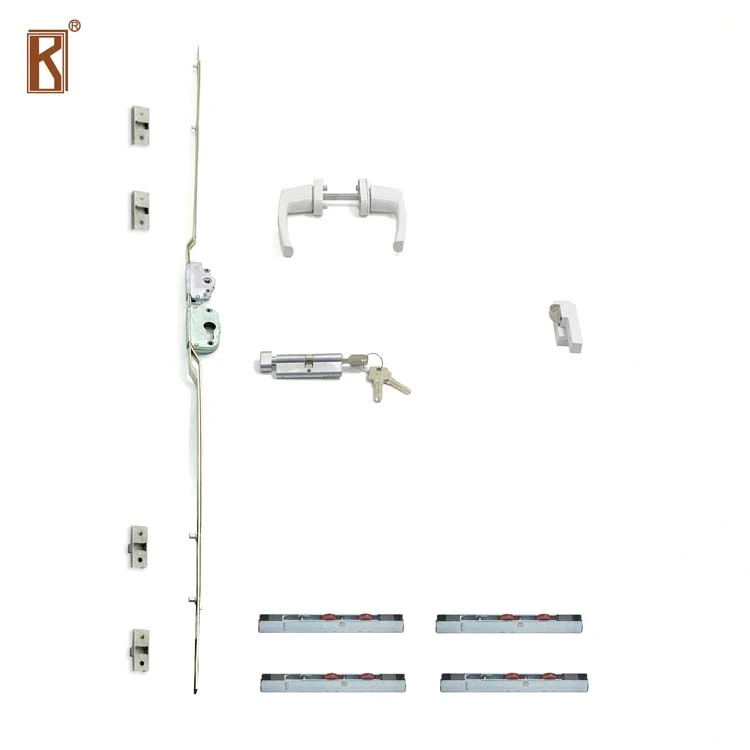
Table of Contents
- Understanding UPVC Hardware: Definition and Basics
- Why UPVC Hardware Matters in Modern Construction
- Main Types of UPVC Hardware Explained
- Key Benefits of High-Quality UPVC Hardware
- UPVC Hardware vs Traditional Hardware Materials
- How to Choose the Right UPVC Hardware
- Manufacturing Standards and Quality Control
- Applications of UPVC Hardware Across Industries
- Future Trends in UPVC Hardware Development
- Frequently Asked Questions (FAQ)
1. Understanding UPVC Hardware: Definition and Basics
UPVC hardware refers to the mechanical components specifically designed to be used with Unplasticized Polyvinyl Chloride (UPVC) window and door systems. Unlike standard metal or wooden frames, UPVC profiles require hardware that accommodates their structural characteristics, thermal expansion behavior, and installation methods.
Common UPVC hardware components include locks, handles, hinges, friction stays, espagnolette locking systems, rollers, and accessories. These elements work together to ensure smooth operation, tight sealing, and enhanced security.
2. Why UPVC Hardware Matters in Modern Construction
In modern architecture, energy efficiency, safety, and durability are top priorities. UPVC hardware is not just an accessory—it is a core functional element of the entire window and door system.
- Ensures proper opening and closing performance
- Enhances burglary resistance through multi-point locking
- Supports airtight sealing for better thermal insulation
- Extends service life of UPVC profiles
Without reliable hardware, even the highest-grade UPVC profiles cannot perform as intended.
3. Main Types of UPVC Hardware Explained
3.1 UPVC Window Hardware
Window hardware is designed to support different opening styles such as casement, tilt-and-turn, sliding, and awning windows.
| Hardware Type | Function | Common Application |
|---|---|---|
| Friction Stay | Controls window opening angle | Casement windows |
| Espagnolette Lock | Multi-point locking | Tilt-and-turn windows |
| Handle | User operation and locking | All window types |
3.2 UPVC Door Hardware
Door hardware focuses on security, load-bearing, and frequent usage performance.
- Multi-point door locks
- Heavy-duty hinges
- Rollers for sliding doors
- Pull handles and cylinders
4. Key Benefits of High-Quality UPVC Hardware
Investing in premium UPVC hardware offers measurable long-term advantages.
- Enhanced Security: Multi-point locking systems significantly reduce break-in risks.
- Durability: Corrosion-resistant materials ensure stable performance.
- Energy Efficiency: Proper sealing minimizes air leakage.
- User Comfort: Smooth operation improves daily usability.
5. UPVC Hardware vs Traditional Hardware Materials
Compared with conventional steel or aluminum hardware, UPVC-specific hardware is engineered to work in harmony with plastic profiles.
| Aspect | UPVC Hardware | Traditional Hardware |
|---|---|---|
| Compatibility | Optimized for UPVC profiles | General-purpose |
| Thermal Performance | Excellent | Moderate |
| Corrosion Resistance | High | Varies |
6. How to Choose the Right UPVC Hardware
Selecting the right UPVC hardware requires balancing performance, compliance, and cost.
- Check load capacity and profile compatibility
- Verify compliance with international standards
- Consider climate and usage frequency
- Choose a reputable supplier with proven expertise
Many builders rely on established manufacturers like Kingbo, known for consistent quality and engineering precision.
7. Manufacturing Standards and Quality Control
High-quality UPVC hardware is produced under strict quality management systems. Processes typically include:
- Material strength and corrosion testing
- Cycle life and fatigue testing
- Dimensional accuracy checks
- Final functional inspections
8. Applications of UPVC Hardware Across Industries
UPVC hardware is widely used in:
- Residential housing projects
- Commercial office buildings
- Hospitality and hotels
- Educational and healthcare facilities
Its adaptability and performance make it suitable for both standard and customized projects.
9. Future Trends in UPVC Hardware Development
The UPVC hardware industry continues to evolve with advancements such as:
- Smart locking and automation integration
- Improved eco-friendly surface treatments
- Higher load-bearing designs for large panels
- Modular hardware systems
Frequently Asked Questions (FAQ)
Q1: What makes UPVC hardware different from normal hardware?
UPVC hardware is specifically engineered to match the structure and performance requirements of UPVC profiles, ensuring better sealing, security, and durability.
Q2: How long does UPVC hardware typically last?
High-quality UPVC hardware can last 10–20 years or more with proper installation and maintenance.
Q3: Can UPVC hardware be customized?
Yes. Many manufacturers, including Kingbo, offer customized solutions based on project requirements.
Q4: Is UPVC hardware suitable for extreme climates?
When properly designed and tested, UPVC hardware performs well in both hot and cold climates.
Choosing the right UPVC hardware is essential for building high-performance windows and doors. If you are looking for reliable, durable, and professionally engineered UPVC hardware solutions, contact us today to learn how Kingbo can support your next project.